Understanding Oxygen Generators and Their Practical Applications
Oxygen generators are devices engineered to produce breathable oxygen from ambient air. They are critical in medical facilities, industrial processes, remote locations, and emergency preparedness. This article focuses on combining oxygen generators with complementary systems—such as CO2 scrubbers, air filtration units, and backup power—to create a reliable and efficient breathable air setup. By focusing on real‑world implementation, maintenance, and safety considerations, this article provides practical insights for engineers, facility managers, and emergency planners.
Fundamentals of Oxygen Generation Technology
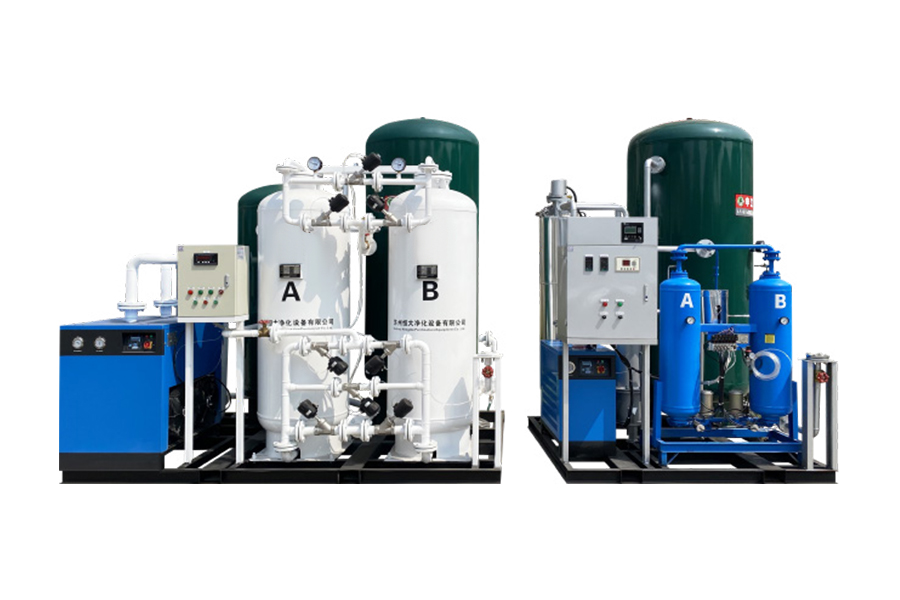
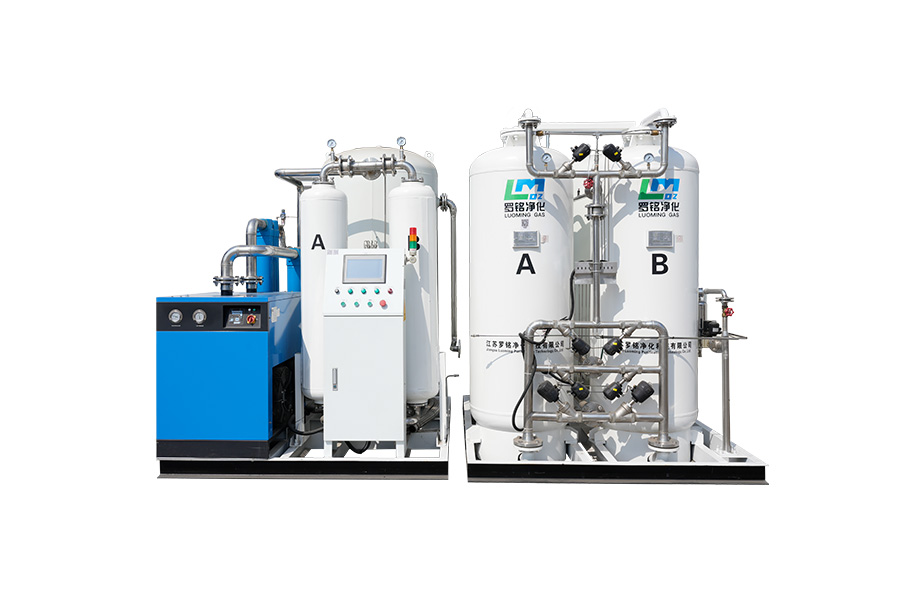
To implement oxygen generators effectively, you must first understand how they work and the different technologies available. The two primary technologies are Pressure Swing Adsorption (PSA) and membrane separation. PSA oxygen generators use adsorbent materials to filter nitrogen from air, yielding high‑purity oxygen. Membrane systems leverage selective permeability to separate oxygen from other gases. Choosing the right technology depends on purity requirements, environmental conditions, and integration needs.
Pressure Swing Adsorption (PSA) Systems
PSA technology is widely used because it can reliably produce oxygen concentrations of 90–95% with consistent performance. PSA systems cycle between pressurization and depressurization, using adsorbent pellets (typically zeolite) to selectively adsorb nitrogen. The design must include moisture and particulate pre‑filters to protect the adsorbent and maintain efficiency.
Membrane Oxygen Generators
Membrane oxygen generators are simpler mechanically, with low moving parts and reduced maintenance. They produce moderate purity oxygen (often 30–40%), which is suitable for industrial applications or pre‑breathing systems rather than medical use. They excel in environments where minimal maintenance and robustness are priorities.
Combining Oxygen Generators with CO2 Scrubbing Systems
In closed environments—such as submarines, spacecraft, or remote shelters—the accumulation of carbon dioxide (CO2) can become dangerous. Integrating an oxygen generator with an effective CO2 scrubbing system is essential for maintaining breathable air. The key is balancing oxygen production with CO2 removal to keep levels within safe limits.
Selecting CO2 Scrubber Technology
CO2 scrubbers can be chemical, physical, or mechanical. Chemical scrubbers use substances like lithium hydroxide to bind CO2, while regenerable systems may use molecular sieves or amine solutions. For integrated systems, regenerable scrubbers reduce waste and maintenance frequency. The choice depends on mission duration, space constraints, and operational cost.
System Control and Monitoring Strategy
A combined oxygen generation and CO2 scrubbing system requires a robust control algorithm. Sensors for oxygen concentration (O2%), carbon dioxide (CO2 ppm), temperature, and humidity feed into a centralized controller that adjusts flow rates, compressor speeds, and scrubber regeneration cycles. Alarm thresholds must be set according to safety standards (e.g., OSHA, NASA protocols) to prevent hypoxia or hypercapnia.
Integration with Air Filtration and Purification Systems
Oxygen generators and CO2 scrubbers handle gas composition, but they do not remove particulates, biological contaminants, or volatile organic compounds (VOCs). When integrated with high‑efficiency particulate air (HEPA) filters and activated carbon systems, the combined unit delivers clean, safe air for sensitive environments like hospitals and cleanrooms.
A typical integrated air treatment chain includes:
- Pre‑filtration (removes large particulates)
- HEPA filtration (captures fine particles, bacteria, viruses)
- Activated carbon filters (adsorb VOCs and odors)
- Oxygen generation module (PSA or membrane)
- CO2 scrubbing module (regenerable or consumable)
Evaluating Filter Efficiency and Replacement Intervals
Filter efficiency ratings (e.g., MERV, HEPA standards) directly impact air quality. It is essential to track differential pressure across filters, as rising pressure indicates clogging. Scheduled replacements based on duty cycle, environment, and contaminant load prevent performance drops. Many installations use smart sensors to predict end‑of‑life and automate alerts.
Powering Oxygen Generator Systems in Remote or Emergency Scenarios
Reliable power is crucial for oxygen generator systems. In hospitals, grid power may be stable, but outages still occur. In remote or off‑grid applications, combining oxygen generators with backup power sources—such as uninterrupted power supplies (UPS), diesel generators, or renewable energy systems—ensures continuous operation.
Uninterruptible Power Supply (UPS) Considerations
A UPS bridges the gap between grid loss and generator start‑up, keeping compressors, controls, and sensors online. Selecting UPS capacity involves calculating total system load and required ride‑through time. A UPS with automated bypass can transition smoothly with minimal interruption to oxygen flows.
Renewable Energy Integration
Solar or wind energy paired with battery storage offers sustainable power for oxygen generation in isolated settings. Designing these systems requires load analysis, expected solar insolation or wind profiles, and battery sizing for night or low‑generation periods. Hybrid designs that combine renewable sources with backup generators offer resilience and reduced operating costs.
Maintenance Best Practices for Combined Systems
Regular maintenance is the backbone of reliability. Each component—oxygen generator, CO2 scrubber, filters, power systems—has specific service intervals. Establishing a preventive maintenance (PM) schedule minimizes downtime and extends equipment life.
Routine Checks and Replacements
Routine tasks include:
- Inspecting and cleaning pre‑filters every 500–1,000 operating hours
- Monitoring PSA adsorbent health yearly and replacing when performance drops
- Verifying CO2 scrubber efficiency and regenerable media condition monthly
- Testing alarm systems and sensor calibration quarterly
- Checking battery health and charger function in UPS systems
Documentation and Record Keeping
Maintaining detailed logs of service events, sensor readings, and component changes aids troubleshooting and regulatory compliance. Many facilities use computer maintenance management systems (CMMS) to automate reminders, track labor, and document parts usage. These records are vital during audits and when optimizing system performance.
Safety and Compliance Standards
Working with oxygen‑enriched environments introduces specific hazards, such as fire risk and pressure systems. Complying with safety standards (e.g., NFPA, OSHA, ISO) reduces risk and ensures legal operation. Key considerations include proper ventilation, oxygen‑safe materials, and emergency shutdown procedures.
Oxygen‑Compatible Materials and Fire Safety
Materials in contact with oxygen must resist combustion and avoid contaminants like grease. Fire detection and suppression systems should be integrated with oxygen generator rooms. Training staff on oxygen hazards and emergency response plans reinforces safety culture.
Performance Metrics and Optimization
Evaluating system performance through metrics such as oxygen purity, availability, power consumption, and operational cost enables continuous improvement. Benchmarking against similar installations can reveal opportunities for upgrades or optimization.
| Metric |
Target Value |
Measurement Frequency |
| Oxygen Purity (%) |
90–95 |
Daily |
| CO2 Level (ppm) |
<1,000 |
Hourly |
| Filter Differential Pressure (Pa) |
<250 |
Weekly |
| System Uptime (%) |
>99.5 |
Monthly |
By tracking these metrics and adjusting operations accordingly, facility managers can improve efficiency, reduce costs, and ensure safe, uninterrupted breathable air delivery.
In summary, combining oxygen generators with CO2 scrubbers, air filtration systems, and reliable power sources creates a robust air management solution suitable for medical, industrial, and remote applications. By focusing on integration strategies, maintenance routines, safety standards, and performance metrics, professionals can design systems that deliver consistent, high‑quality breathable air under a variety of conditions.





 English
 русский
 Français
 Español
 عربى
عربى