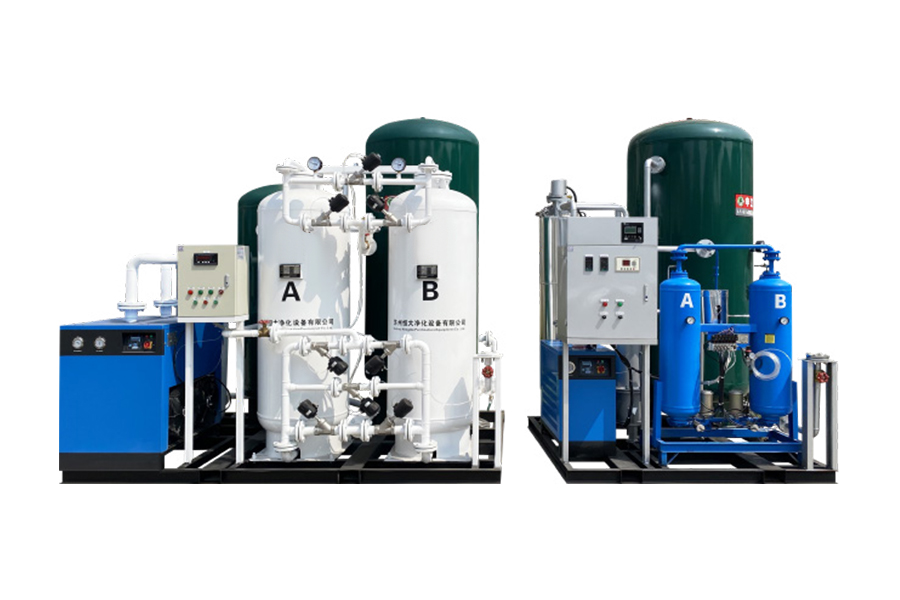
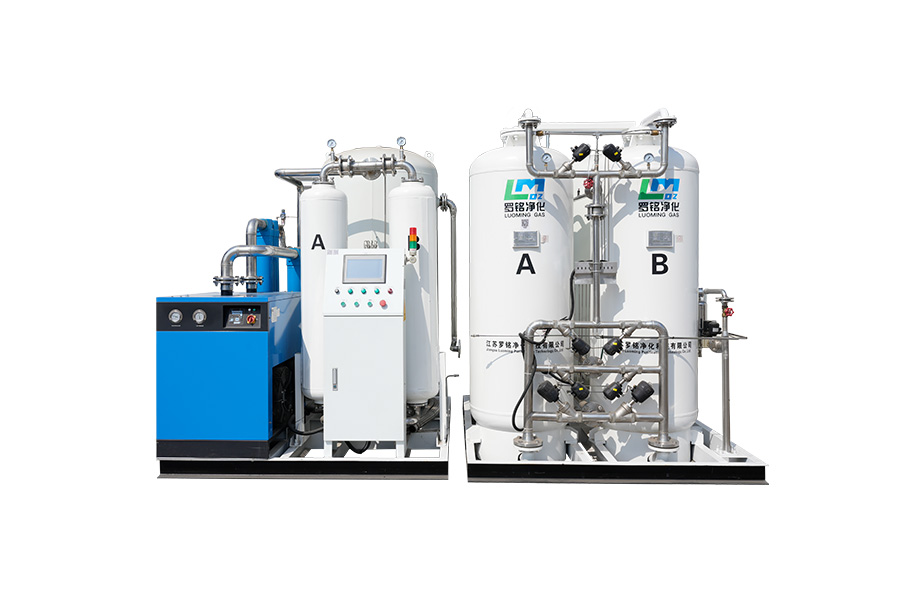
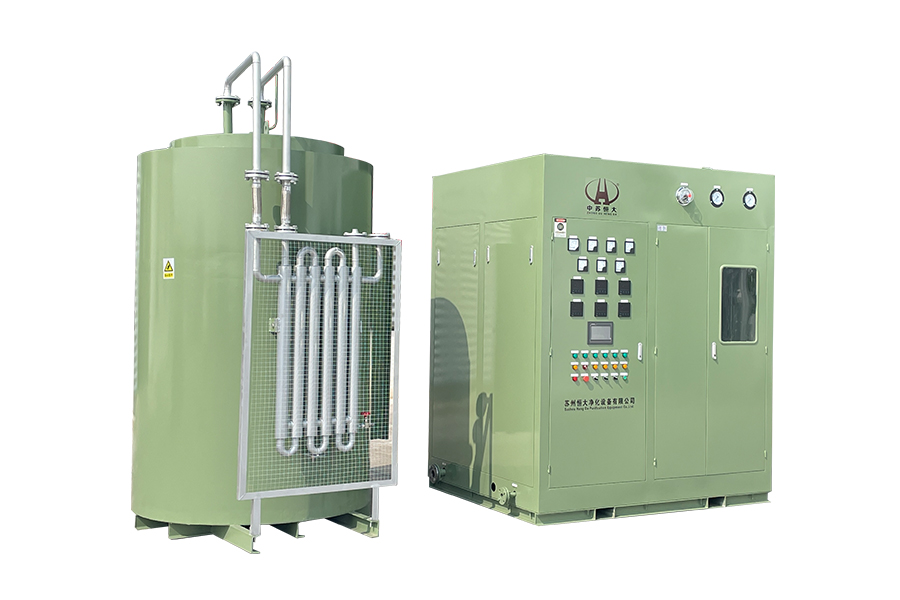
Nitrogen generators have become essential in various industries, from food packaging and electronics manufacturing to pharmaceuticals and laboratories. These systems offer on-demand nitrogen production, reducing reliance on cylinder supply and liquid nitrogen deliveries. While their benefits are clear, operators often wonder: does ambient temperature affect the performance of nitrogen generators? Understanding this relationship is crucial for maintaining efficiency, purity, and equipment longevity.
Understanding Nitrogen Generators
Before diving into temperature effects, it’s important to understand how nitrogen generators work. There are two primary types:
-
Pressure Swing Adsorption (PSA) Nitrogen Generators:
PSA systems separate nitrogen from air using a molecular sieve, typically carbon or zeolite. Air is compressed and passed through the sieve, which adsorbs oxygen and other gases, allowing nitrogen to pass through.
-
Membrane Nitrogen Generators:
Membrane systems use selective permeation. Air is forced through hollow fiber membranes, which allow oxygen, water vapor, and carbon dioxide to escape while retaining nitrogen.
Both systems rely on precise mechanical and chemical processes, which can be sensitive to environmental conditions—including ambient temperature.
How Ambient Temperature Influences Nitrogen Generators
Effect on Air Compression
Most nitrogen generators require compressed air as feedstock. Ambient temperature influences the properties of the incoming air:
- High temperatures reduce air density, lowering the amount of oxygen that can be separated per unit volume. This can slightly reduce nitrogen output unless compressor settings are adjusted.
- Low temperatures increase air density but can lead to condensation inside the system, especially in PSA units. Moisture can reduce the effectiveness of molecular sieves and increase maintenance needs.
Molecular Sieve Performance (PSA Systems)
The molecular sieves in PSA systems are sensitive to temperature and moisture:
- High temperatures can reduce adsorption efficiency. The sieve may become less effective at trapping oxygen, leading to a minor drop in nitrogen purity.
- Low temperatures combined with high humidity may cause ice formation or condensation, potentially damaging the sieve or valves.
Membrane Performance
Membrane nitrogen generators rely on selective permeability, which is affected by temperature:
- High ambient temperatures can cause the membrane fibers to expand slightly, reducing separation efficiency. Manufacturers often specify optimal operating temperatures for maximum nitrogen purity.
- Low temperatures may stiffen membranes, lowering the flow rate and increasing pressure requirements.
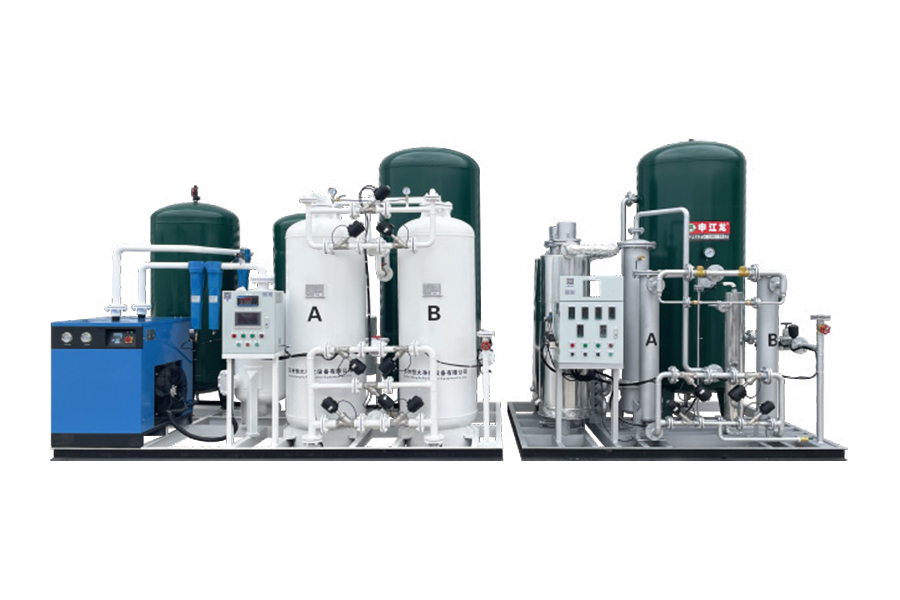
Compressor and Motor Efficiency
Ambient temperature also affects the mechanical components:
- Electric motors, compressors, and fans may overheat in hot environments, triggering protective shutdowns.
- Cold conditions may make lubricants more viscous, increasing wear and tear during startup.
Condensation and Moisture Management
Ambient temperature directly affects humidity levels in air, which is critical for nitrogen generation:
- In hot and humid climates, air dryers and filters must work harder to remove moisture. Excess moisture can degrade molecular sieves or damage membranes.
- In cold climates, water can freeze in filters, piping, or the generator itself, causing operational delays.
Manufacturer Guidelines on Temperature Ranges
Most nitrogen generator manufacturers specify an ambient operating temperature range, typically between 5°C and 45°C (41°F–113°F). Operating outside this range can:
- Reduce nitrogen purity
- Lower production capacity
- Increase wear on critical components
It’s essential to follow these guidelines and, if needed, provide climate control measures such as:
- Air-conditioned rooms for indoor installations
- Insulation and heaters for cold environments
- Ventilation to prevent overheating
Practical Tips for Managing Temperature Effects
-
Monitor Environmental Conditions:
Use thermometers and hygrometers to track temperature and humidity near the generator. Sudden spikes or drops may require adjustments.
-
Install Air Conditioning or Heating:
For installations in extreme climates, maintaining a stable ambient temperature can prevent production drops.
-
Use Proper Air Drying Equipment:
Dew point control is critical. Refrigerated or desiccant air dryers can mitigate moisture problems caused by temperature fluctuations.
-
Regular Maintenance:
High or low temperatures can accelerate wear.





 English
 русский
 Français
 Español
 عربى
عربى