Understanding Medical Oxygen Generators
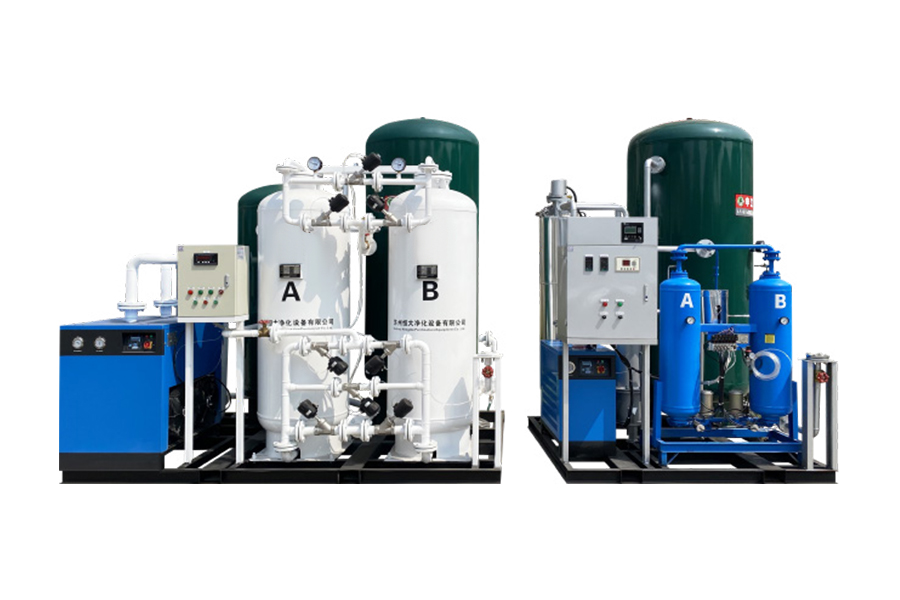
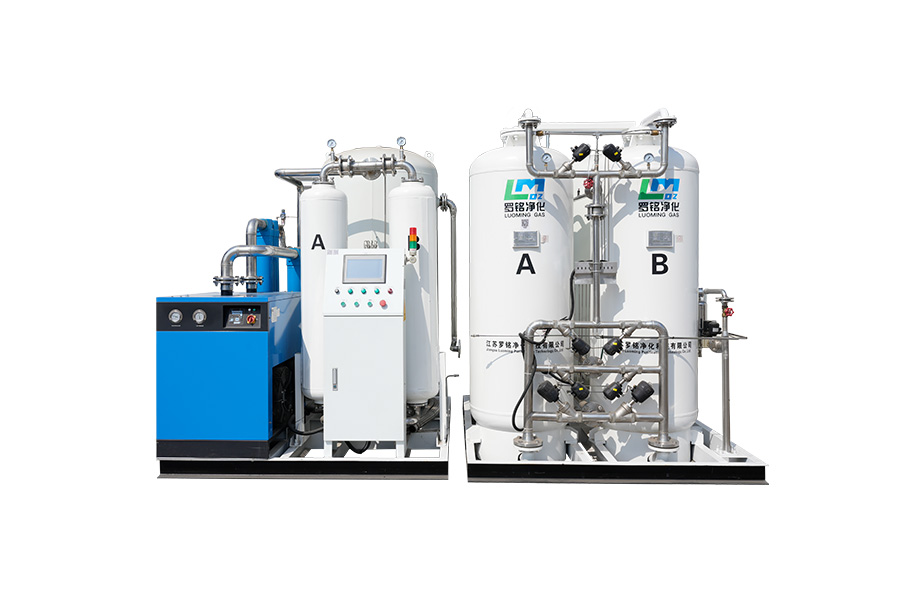
Medical oxygen generators are essential devices in hospitals, clinics, and home healthcare setups for providing a continuous and reliable oxygen supply. These systems extract oxygen from atmospheric air, typically using Pressure Swing Adsorption (PSA) or membrane technology. Unlike traditional oxygen cylinders, generators offer an on-demand source of oxygen, reducing dependency on refills and improving patient safety.
Modern medical oxygen generators are designed to deliver high-purity oxygen, usually ranging from 90% to 96%, suitable for various therapeutic applications including intensive care, respiratory therapy, and surgical procedures.
Types of Medical Oxygen Generators
Pressure Swing Adsorption (PSA) Generators
PSA oxygen generators use a process where nitrogen is selectively adsorbed from compressed air onto zeolite molecular sieves, leaving oxygen-enriched air. This technology is widely used in hospitals due to its high oxygen purity and large output capacity.
- Produces oxygen with 90-96% purity
- Can supply continuous oxygen for multiple beds
- Requires periodic sieve replacement for optimal efficiency
Membrane-Based Oxygen Generators
Membrane oxygen generators use selective permeable membranes to separate oxygen from nitrogen. While they offer lower purity levels (typically 30-40%), they are compact, energy-efficient, and ideal for small-scale or mobile applications.
- Lightweight and portable for remote areas
- Lower oxygen output than PSA systems
- Minimal maintenance required
Installation Guidelines for Optimal Performance
Proper installation is critical to ensure medical oxygen generators function reliably. Key considerations include:
- Ventilation: Install the generator in a well-ventilated area to prevent heat buildup and ensure adequate air intake.
- Electrical Supply: Ensure stable voltage with surge protection to prevent damage to sensitive components.
- Distance from Patients: Place generators away from patient areas to minimize noise and vibration disturbances.
- Clean Environment: Avoid dusty or humid locations to reduce clogging and extend filter life.
Maintenance Practices for Longevity
Routine maintenance significantly extends the lifespan of oxygen generators and ensures uninterrupted oxygen supply. Maintenance can be divided into daily, monthly, and annual tasks:
Daily Maintenance
- Check oxygen purity levels and flow rate
- Inspect air inlet filters and clean if necessary
- Ensure proper operation of alarms and indicators
Monthly Maintenance
- Inspect and replace pre-filters and coalescing filters
- Verify electrical connections and safety devices
- Lubricate moving parts as per manufacturer guidelines
Annual Maintenance
- Replace molecular sieve material (PSA generators)
- Perform full system calibration and performance testing
- Check and replace any worn-out valves or sensors
Safety Measures for Medical Oxygen Generators
Medical oxygen generators handle highly concentrated oxygen, which poses fire and pressure hazards. Implementing proper safety protocols is essential:
- Keep flammable materials away from oxygen-producing areas
- Ensure oxygen cylinders and tubing are free from oil or grease
- Install oxygen alarms for flow interruption or purity drop
- Train staff in emergency shutdown procedures
Choosing the Right Oxygen Generator for Your Facility
Selecting the most suitable medical oxygen generator depends on the facility size, patient load, and required oxygen purity. Consider the following table for guidance:
| Facility Type |
Recommended Generator |
Oxygen Purity |
Output Capacity |
| Small Clinic |
Membrane Generator |
30-40% |
1-5 L/min |
| Medium Hospital |
PSA Generator |
90-96% |
10-50 L/min |
| Large Medical Center |
High-Capacity PSA Generator |
95-96% |
50-200 L/min |
Troubleshooting Common Issues
Even with proper maintenance, issues may arise during operation. Common problems include low oxygen purity, insufficient flow, and system alarms. Key troubleshooting steps:
- Check air intake filters for blockages
- Verify pressure settings and flow meters
- Inspect molecular sieves or membranes for degradation
- Confirm electrical supply is stable and uninterrupted
Conclusion
Medical oxygen generators are indispensable in modern healthcare. By understanding generator types, implementing proper installation, adhering to maintenance schedules, and prioritizing safety measures, facilities can ensure reliable oxygen supply and patient care. Investing in the right system tailored to your facility's needs guarantees both efficiency and long-term cost savings.





 English
 русский
 Français
 Español
 عربى
عربى