

 English
 русский
 Français
 Español
 عربى
عربىSubstantial and Ongoing Cost Reduction
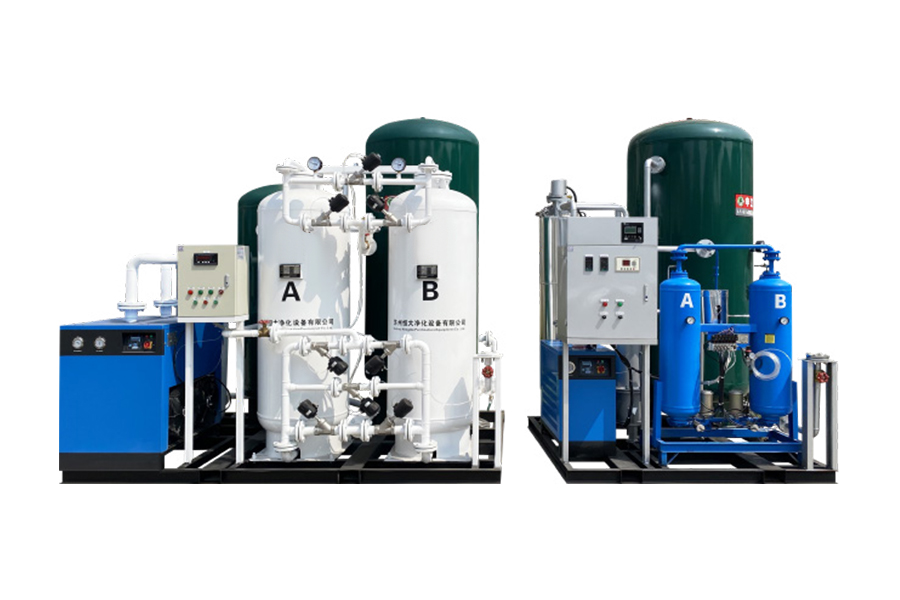
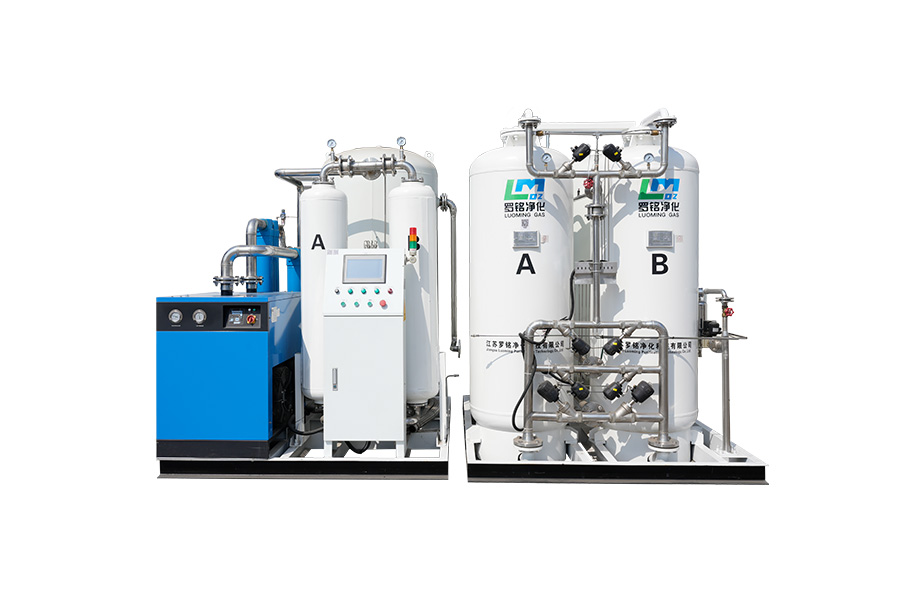
The most compelling argument for nitrogen generator adoption is dramatic cost savings. While cylinders involve a recurring rental and gas fee, a generator represents a one-time capital investment with minimal ongoing operational costs. The cost per cubic foot of nitrogen generated on-site is typically a fraction of the delivered cost of cylinder or liquid nitrogen. This eliminates the unpredictable volatility of gas market prices and hidden fees like hazmat charges, delivery surcharges, and rental increases. The payback period for a generator is often calculated in months, not years, after which the nitrogen produced is essentially at the cost of electricity and maintenance.
Breaking Down the Cost Components
To understand the savings, one must look beyond the simple gas invoice. Cylinder costs are multifaceted:
- Gas Cost: The premium price for the nitrogen itself.
- Cylinder Rental: A monthly fee for each cylinder, whether used or not.
- Delivery Fees: Charges for each delivery, which can be significant for remote locations.
- Fuel Surcharges: Fluctuating fees tied to transportation fuel costs.
- Unused Gas Loss: Cost of residual gas left in "empty" cylinders returned to the supplier.
A generator eliminates nearly all these line items, converting a variable operating expense into a fixed, predictable, and far lower cost.
Unmatched Supply Reliability and Operational Control
Nitrogen generators provide an uninterrupted, on-demand supply of gas, ending dependency on external logistics. This eliminates production downtime risks associated with delayed deliveries, supplier shortages, or logistical disruptions. You have direct control over purity and flow, allowing for real-time adjustments to match process needs without waiting for a cylinder swap. The consistency of supply is critical for processes like laser cutting or food packaging, where an interruption can lead to scrap, spoilage, and costly machine idle time.
Eliminating the Logistical Burden
Managing cylinders is a hidden operational drain. It involves:
- Scheduling and coordinating deliveries.
- Allocating valuable floor space for cylinder storage and handling.
- Manual labor for connecting, disconnecting, and moving heavy cylinders (a safety risk).
- Managing inventory to avoid running out.
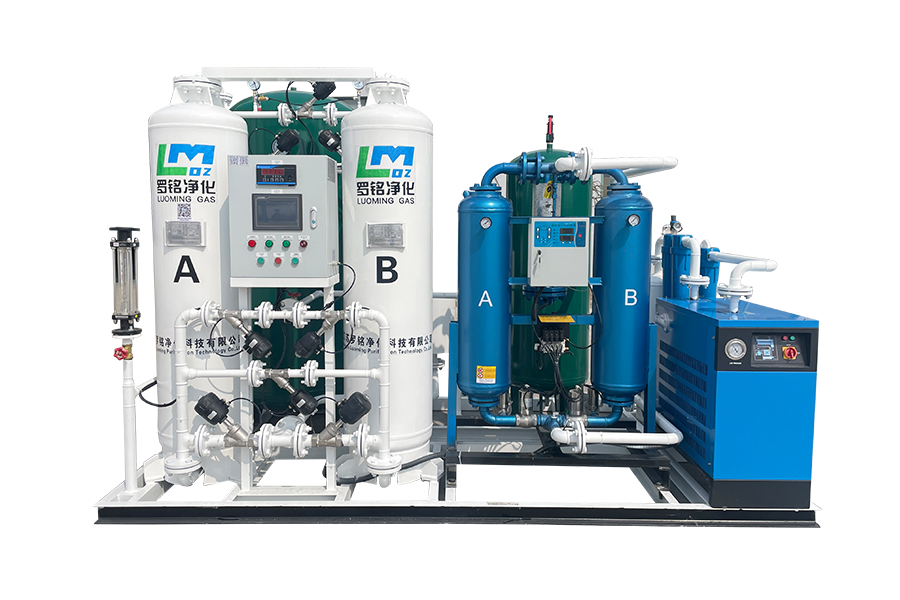
A generator system, once installed, operates automatically from your existing compressed air line, freeing up personnel and space for productive work.
Enhanced Safety and Reduced Hazard Exposure
On-site generation significantly improves workplace safety. It removes the dangers inherent in handling high-pressure cylinders, which are potential projectiles if damaged. The risks associated with cylinder transportation, unloading, and manual connection are eliminated. Furthermore, a generator only produces the nitrogen needed, minimizing the volume of high-pressure gas stored on-site. This reduces the potential hazard footprint compared to a storage cage full of cylinders or a large liquid nitrogen dewar with its associated cryogenic risks.
Environmental and Sustainability Advantages
Generating nitrogen on-site has a markedly lower carbon footprint. It cuts out the continuous cycle of diesel-fueled delivery trucks traveling to and from your facility. There is also no energy cost associated with the industrial liquefaction process required for cylinder fills. Additionally, on-site generation eliminates the need for cylinder production and the waste associated with it. By using a generator, a facility directly reduces its scope 3 emissions (indirect emissions from the value chain) linked to gas supply logistics.
Direct Comparison: Generator vs. Cylinders
The table below summarizes the key differences across critical operational categories.
| Factor | Nitrogen Generator | Gas Cylinders |
| Cost Profile | High initial investment, very low & stable operating cost. | Low initial cost, high and volatile recurring cost. |
| Supply Security | On-demand, unlimited supply; no delivery dependency. | Finite, interrupted supply; vulnerable to logistics. |
| Purity Control | Fully adjustable and consistent at point of use. | Fixed per cylinder; potential for contamination. |
| Safety & Handling | Minimal high-pressure storage; no cylinder handling. | Significant manual handling of high-pressure vessels. |
| Space & Logistics | Fixed footprint; no logistics management. | Requires storage, staging, and delivery coordination. |
| Environmental Impact | Lower carbon footprint; eliminates delivery emissions. | High transportation footprint; cylinder lifecycle waste. |
Making the Right Choice for Your Application
The decision hinges on your specific nitrogen consumption, or "usage profile." Generators excel in applications with consistent, daily nitrogen demand. The break-even point is typically at a consumption of a few cylinders per week. For extremely low, intermittent use (e.g., a few cylinders per month), cylinders may remain practical. However, for any facility where nitrogen is integral to production, the economic, operational, and safety benefits of a nitrogen generator overwhelmingly support its adoption as a cornerstone of efficient and reliable operations.