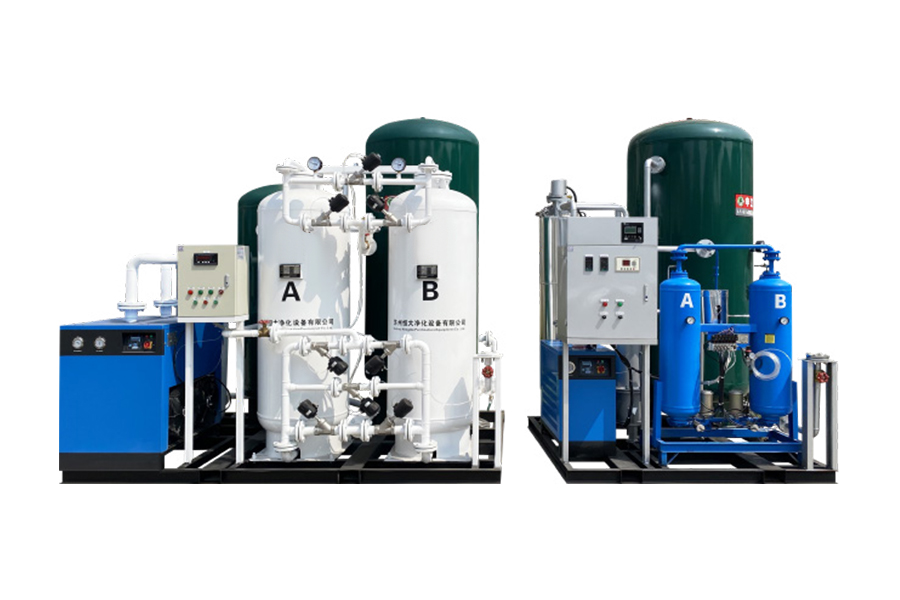
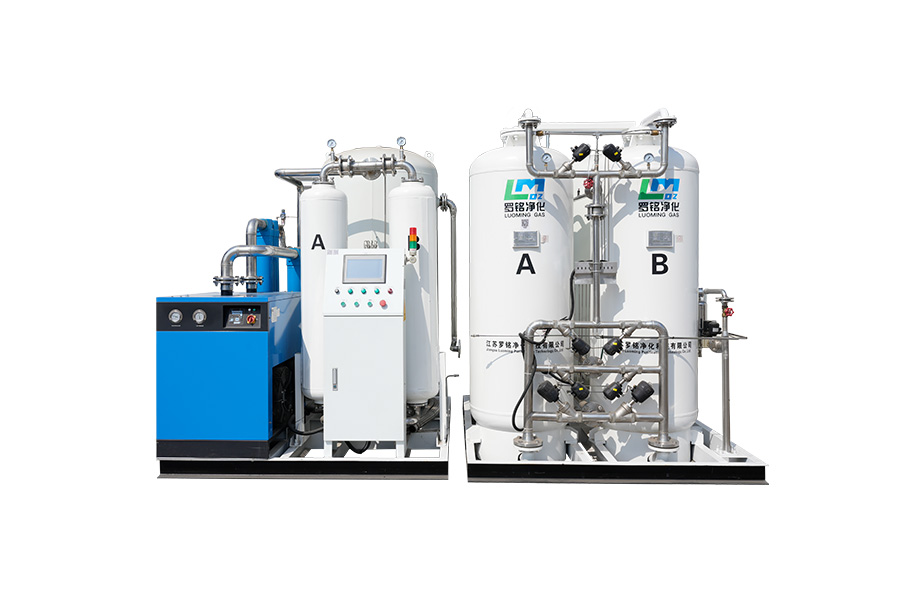
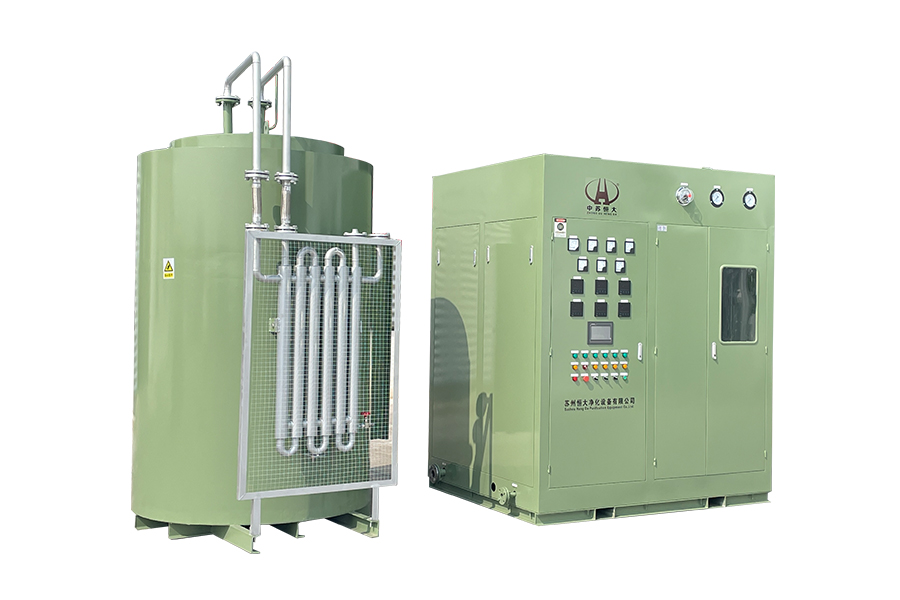
Installing a Medical Oxygen Generator (MOG) is a significant step toward achieving a reliable, on-site oxygen supply for any healthcare facility. While the operational benefits—independence from cylinder logistics, long-term cost savings, and constant supply—are clear, the success and safety of the system hinge on one critical phase: proper installation. Two of the most fundamental and frequently underestimated aspects of this process are space allocation and ventilation. Getting these requirements wrong can lead to equipment failure, safety hazards, and compromised patient care.
Part 1: The “Why” – Understanding the Risks and Needs
Before diving into measurements, it’s crucial to understand the reasons behind these requirements. A Medical Oxygen Generator is not simply a plug-and-play appliance; it is a robust piece of industrial equipment that performs pressure swing adsorption (PSA) or vacuum swing adsorption (VSA).
- Heat Production: The compressor, the heart of the system, generates significant heat during operation. Inadequate space and ventilation lead to ambient temperature rise, causing the compressor to overheat, reduce efficiency, and drastically shorten its lifespan.
- Oxygen Enrichment: While the generator itself produces oxygen, the room it occupies must never become oxygen-enriched. An oxygen-enriched atmosphere (above 23.5%) dramatically increases the risk of fire, as materials become highly combustible. Proper ventilation ensures any minor leaks are rapidly diluted with ambient air.
- Air Intake Quality: The generator requires clean, dry, and cool ambient air as the feedstock for its process. A cramped, hot, or dusty room forces the machine to work harder, consuming more energy and potentially introducing contaminants into the molecular sieve beds, degrading performance and purity.
- Service Access: Technicians require safe and unobstructed access for routine maintenance (like filter changes) and emergency servicing. Cramping the generator into a closet violates safety protocols and makes maintenance costly and difficult.
Space consideration is three-dimensional: footprint, clearance, and placement.
1. The Footprint and Room Size:
The generator itself will have a specified length and width. However, the minimum room size must be considerably larger. As a rule of thumb, the room should have a volume that allows for sufficient air changes (covered in ventilation) and includes clear floor space around the unit. For a typical generator serving a small hospital (e.g., 20-50 beds), a dedicated room of at least 15 to 25 square meters (160 to 270 square feet) is a common starting point. The room must also have a ceiling height that accommodates the unit and allows for hot air to rise and be extracted—typically a minimum of 2.4 meters (8 feet).
2. Critical Clearances:
Manufacturers provide precise clearance distances in their installation manuals, and these are non-negotiable for warranty and safety.
- Service Clearances: At least 1 meter (3.3 feet) on all serviceable sides (usually the front and one side) is mandatory. This allows technicians to open panels, pull out filters, and use tools safely.
- Wall and Obstruction Clearances: Even non-service sides should have a minimum of 0.6 meters (2 feet) from walls, especially exterior walls, to prevent heat reflection and allow for air circulation. Never install the unit in a corner where two walls meet.
- Overhead Clearance: Ensure there are no pipes, ducts, or low-hanging structures above the generator that could be heated or could impede hot air exhaust.
3. Placement Within the Facility:
- Dedicated Room: A dedicated, access-controlled plant room is ideal. It should not be a general storage room, a janitor’s closet, or a hallway.
- Proximity to Point of Use: While it needs to be in a well-ventilated area, placing it relatively close to the main ICU or surgical wards minimizes pressure drop and oxygen condensation in long pipelines, improving efficiency.
- Flooring: The floor must be level, solid, and capable of supporting the significant weight of the generator (which can exceed 500 kg / 1100 lbs for larger models). Reinforced concrete is standard.
- Environment: The room should be clean, dry, and free from excessive airborne contaminants (dust, oil mist, chemical vapors). Do not install it near boiler rooms, kitchens, or laundry facilities.
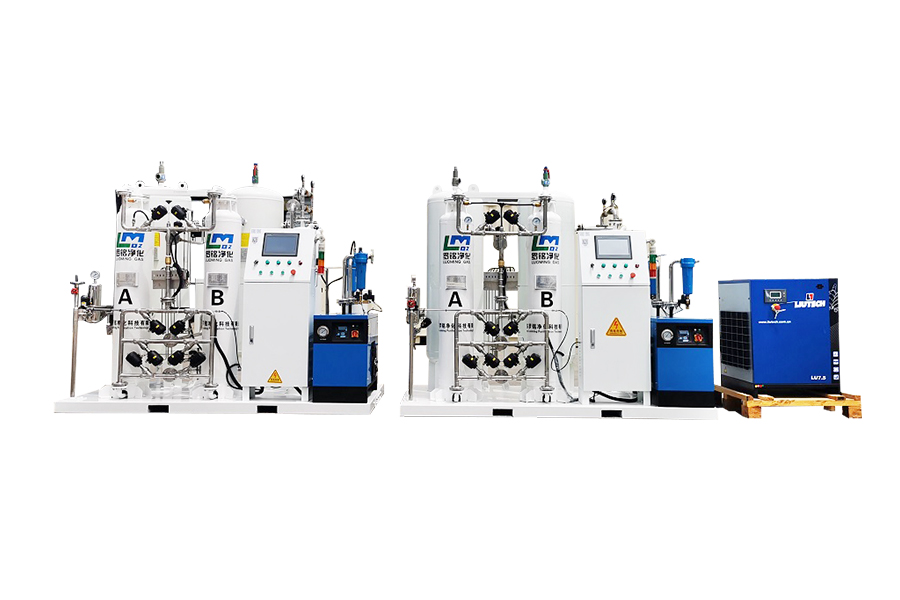
Part 3: Ventilation Requirements – The Lifeblood of Safe Operation
Ventilation is the active component that manages the heat and gas concentration risks. It is a calculated engineering requirement, not a suggestion.
1. The Principle of Heat Dissipation:
The compressor’s waste heat must be continuously removed. This is achieved through dilution ventilation—bringing in cooler ambient air and exhausting heated air. The required ventilation rate is calculated based on the heat output (in kW or BTU/hr) of the generator, which is specified by the manufacturer.
A simplified formula underscores the need:
Ventilation Rate (m³/hr) = (Heat Output in kW x 3600) / (ΔT x 1.2)
(Where ΔT is the allowable temperature rise in the room, e.g., 10°C, and 1.2 is the specific heat capacity of air).
For a typical MOG, this often translates to a requirement of 10 to 20 complete Air Changes per Hour (ACH) for the room.
2. Implementing Effective Ventilation:
- Natural Ventilation Alone is Insufficient: Relying solely on an open window or a vent is risky and unreliable. It does not guarantee consistent air changes or control over air quality.
- Mechanical Ventilation is Essential: An engineered supply and exhaust system is required.
- Supply Vent: A louvered vent, ideally with a filter, should be positioned low on a wall, preferably opposite the exhaust. It supplies cool, clean makeup air.
- Exhaust Vent: A powered exhaust fan, often with a duct, should be positioned at the highest point in the room, directly above or near the compressor. Heat rises, and this effectively captures and expels it. The exhaust fan should be interlocked with the generator so it runs whenever the generator is operating.
- Air Intake for the Generator: Remember, the generator has its own air intake. This must draw from a clean source within the well-ventilated room, not from outside directly (unless a specially designed ambient air kit is used), to avoid pulling in humid, hot, or polluted air.
3. Avoiding Oxygen Enrichment:
The designed ventilation rate, calculated for heat removal, will also be more than adequate to prevent dangerous oxygen accumulation from any conceivable leak. The exhaust should vent safely to the atmosphere outdoors, not into an attic, ceiling space, or other room.
Part 4: A Practical Checklist for Planning
Use this list as a starting point for discussions with your vendor, facilities manager, and installing engineer:
- Room Identified: Dedicated, access-controlled, with sufficient volume (__ m³ / __ ft³).
- Footprint & Clearance: Floor plan shows unit with >1m service clearance on key sides and >0.6m from all walls.
- Weight Support: Structural engineer confirms floor load capacity.
- Ambient Conditions: Room is clean, dry, and maintains a temperature within the manufacturer’s specified range (e.g., 10°C to 40°C / 50°F to 104°F).
- Ventilation Design: A mechanical drawing exists for a forced supply-and-exhaust system.
- Air Changes Calculated: Ventilation system is sized to provide >__ ACH (per manufacturer’s heat dissipation data).
- Exhaust System: Powered exhaust fan installed high, ducted outdoors, and interlocked with generator power.
- Supply Air: Filtered supply vent installed low on an opposite wall.
- Electrical: Dedicated, stabilized power source installed by a qualified electrician, with appropriate grounding.
- Safety Signs: “Medical Oxygen – No Smoking – No Open Flames” signs posted on doors.
- Pathways: Clear, unobstructed pathways exist for delivery, installation, and future servicing/removal of the unit.
Conclusion
The space and ventilation requirements for a Medical Oxygen Generator are foundational safety and performance protocols. Viewing them as mere “recommendations” is a grave error that compromises the significant investment in the equipment and, more importantly, patient and staff safety. By allocating a properly sized, dedicated room and implementing an engineered, powered ventilation system, you ensure three critical outcomes: 1) the generator operates at peak efficiency and purity for its full lifespan, 2) the risks of fire and overheating are effectively mitigated, and 3) the system remains accessible for maintenance, ensuring uninterrupted oxygen supply to your patients. Always defer to the specific guidelines provided by your generator’s manufacturer and involve qualified HVAC and clinical engineering professionals in the planning and installation process.





 English
 русский
 Français
 Español
 عربى
عربى