They Are Not the Same Device
Yes — there is a meaningful difference between an oxygen concentrator and an oxygen generator, even though the two terms are frequently used interchangeably in product listings and casual conversation. The confusion is understandable: both devices produce oxygen-enriched output from ambient air. But their underlying technology, output purity, intended applications, and regulatory classifications are distinct enough that choosing the wrong type can result in equipment mismatch, compliance issues, or safety risks.
The short answer: an oxygen generator produces large quantities of oxygen-enriched gas, with a purity and flow rate significantly different from an oxygen concentrator. To understand the purpose of each device, a deeper understanding of the technology behind it is necessary.
How Both Technology Work
Both devices utilize Pressure Swing Adsorption (PSA) technology—which selectively adsorbs nitrogen while allowing oxygen to pass through by forcing compressed air through a bed of zeolite molecular sieves. The physical principles are the same; the difference lies in the engineering specifications designed around these principles.
Oxygen Concentrators
Medical-grade oxygen concentrators are compact, low-noise devices optimized for continuous personal use. They typically offer:
- 1-10 liters per minute (LPM) flow rate
- 90-96% oxygen purity, meeting standards such as ISO 8359 and FDA 510(k)
- 150-600 watts of power consumption
- Quiet operation (typically 40-50 dB), suitable for home environments
- In most jurisdictions, they are classified as Class II medical devices, requiring clinical or prescription authorization for patient use.
Industrial Oxygen Generators
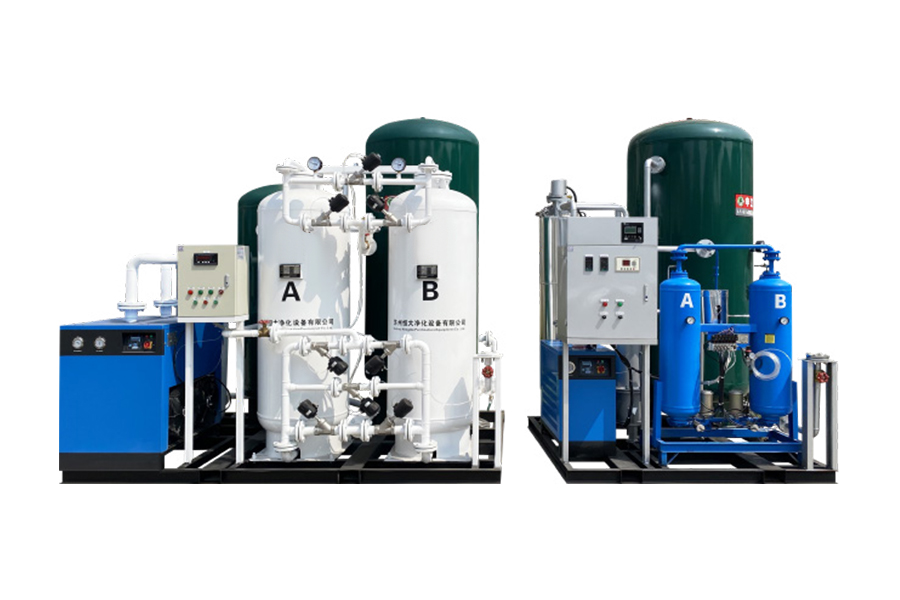
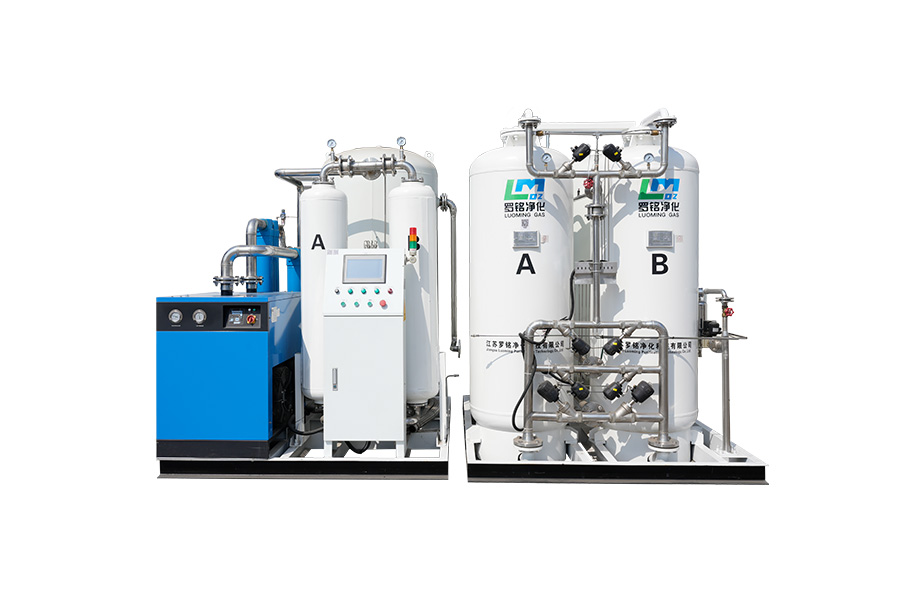
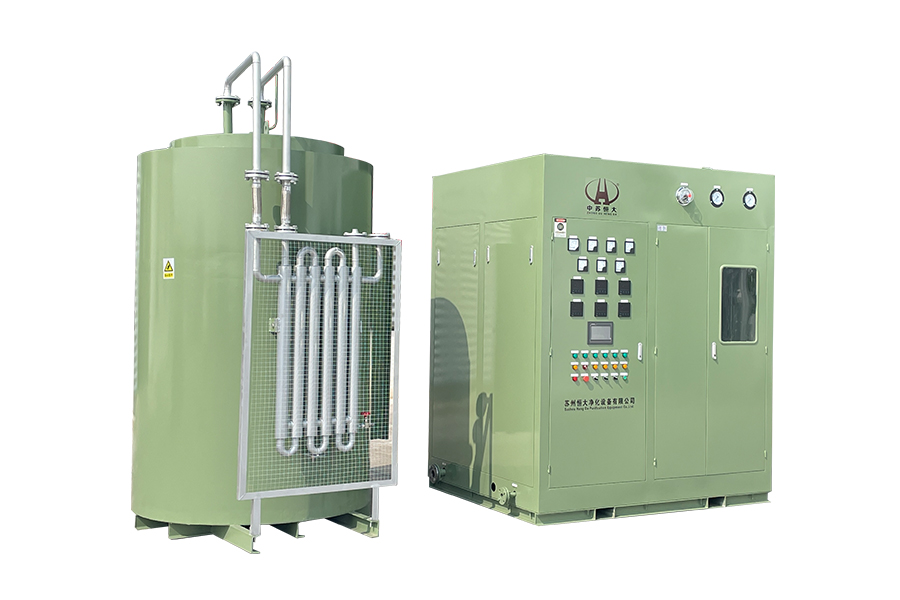
Industrial oxygen generators operate on the same pressure swing adsorption (PSA) principle, but are designed for scale based on process environments. Key features include:
- Flow rate range from 5 Nm³/h to over 500 Nm³/h
- Purity is typically 90-95% (suitable for most industrial applications), but the system utilizes gas purification technology to achieve purity exceeding 99%.
- Can be integrated with on-site compressor systems, buffer tanks, and automated control panels.
- Suitable for applications such as wastewater treatment, glass melting, metal cutting, aquaculture, and chemical processing.
Industrial oxygen generators are not certified for use in the human respiratory system and are not subject to medical device regulations.
Side-by-Side Comparison
| Parameter |
Medical Oxygen Concentrator |
Industrial Oxygen Generator |
| Core Technology |
PSA (zeolite) |
PSA / VPSA / Cryogenic |
| Typical Flow Rate |
1–10 LPM |
5–500+ Nm³/h |
| Output Purity |
90–96% |
90–99%+ |
| Regulatory Status |
Class II Medical Device (FDA/CE) |
Industrial equipment (no medical cert) |
| Noise Level |
40–50 dB |
60–85 dB (enclosure recommended) |
| Primary Use |
home care, clinics |
Wastewater, metallurgy, aquaculture, etc. |
| Installation |
Plug-and-play, portable options available |
On-site engineering, pipeline integration |
Table 1: Medical oxygen concentrator vs. industrial oxygen generator — key specification differences
Where the Terminology Gets Blurred
The overlap in terminology stems from several sources. First, manufacturers of medical concentrators sometimes market their products as "oxygen generators" in non-English-speaking markets, particularly across Southeast Asia and the Middle East, where regulatory language is less standardized. Second, some industrial oxygen generators are marketed toward veterinary clinics or wellness spas — contexts where output is used by living beings but medical-grade certification is not legally required.
This creates genuine procurement ambiguity. A buyer sourcing "an oxygen generator for a fish farm" and one buying "an oxygen generator for a rural hospital" may end up on the same product page — even though the correct device for each application is entirely different. The fish farm requires high-volume output at moderate purity; the hospital requires medical-grade certification, low noise, and guaranteed minimum purity alarms.
A third source of confusion: some manufacturers produce dual-purpose PSA systems designed to meet both industrial flow demands and medical-grade purity standards simultaneously. These units do exist — typically used in field hospitals or remote mining operations — but they carry both industrial and medical certifications and are priced accordingly, often 3–5× the cost of a standard medical concentrator.
How to Choose the Right Device
The selection decision comes down to three questions:
- Will the output be inhaled by a human patient? If yes, only devices with valid medical certifications are appropriate. Using uncertified industrial oxygen on patients is a clinical and legal liability.
- What is the required continuous flow rate? If your process demands more than 30–40 LPM on a sustained basis, a medical concentrator will not be adequate. Industrial generators are built for continuous high-output duty cycles.
- What purity level does your application require? Most industrial processes — including most aquaculture, wastewater aeration, and combustion enhancement — function well at 90–93% purity. Applications such as semiconductor manufacturing or certain laboratory procedures may require 99.5%+ purity.
For procurement teams evaluating suppliers, always request the device's certification documentation alongside its technical datasheet. A legitimate medical oxygen concentrator will have traceable batch testing records for purity, flow accuracy, and alarm function. An industrial generator spec sheet will reference process standards rather than pharmacopeial or medical device standards.
Bottom Line
An oxygen concentrator and an oxygen generator share a common operating principle, but they serve different markets, meet different regulatory standards, and are built to different engineering tolerances. Using the wrong device in the wrong context — particularly in medical settings — is not a minor substitution; it carries real risk. When in doubt, verify the certification status of the device first, then match it to your specific flow and purity requirements. The correct device is the one that meets the application standard, not just the one that produces oxygen.





 English
 русский
 Français
 Español
 عربى
عربى