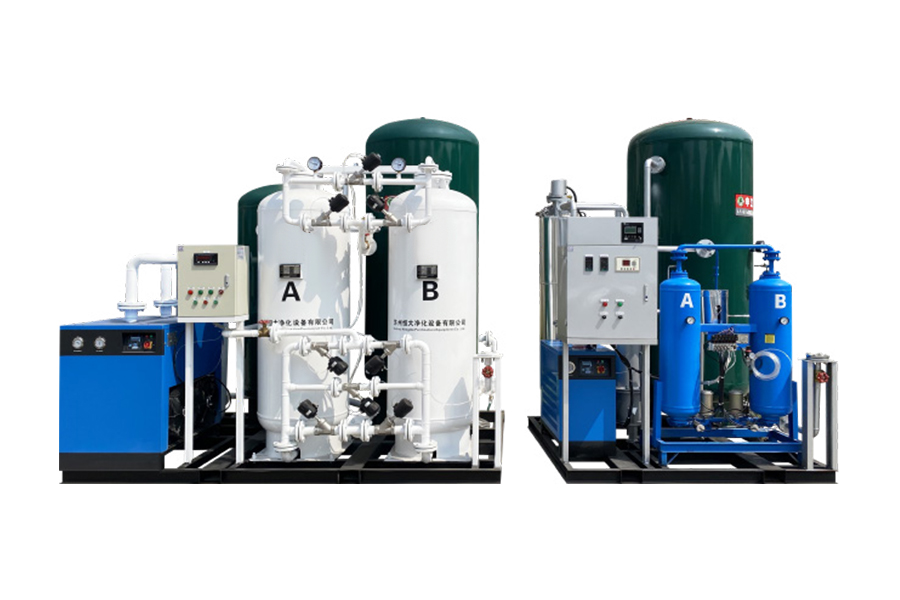
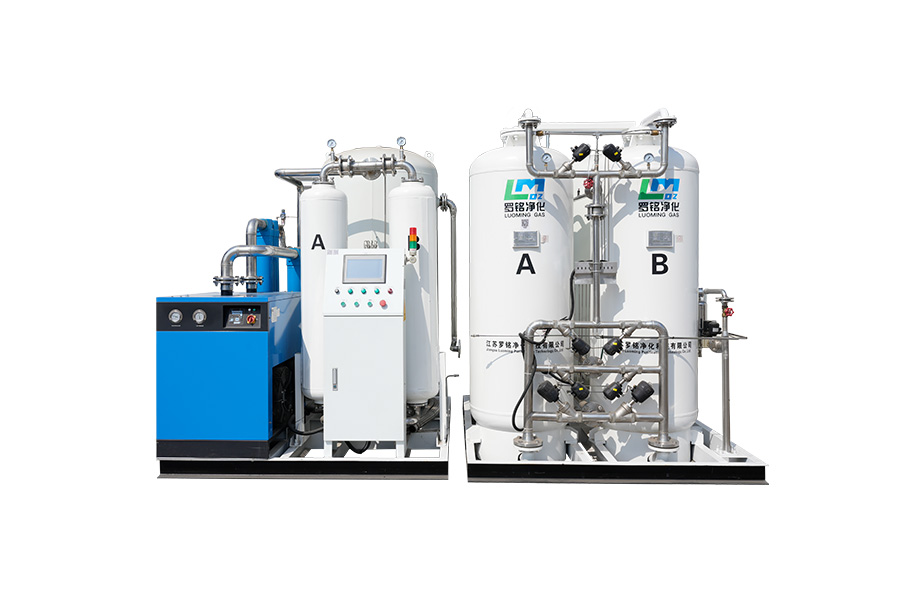
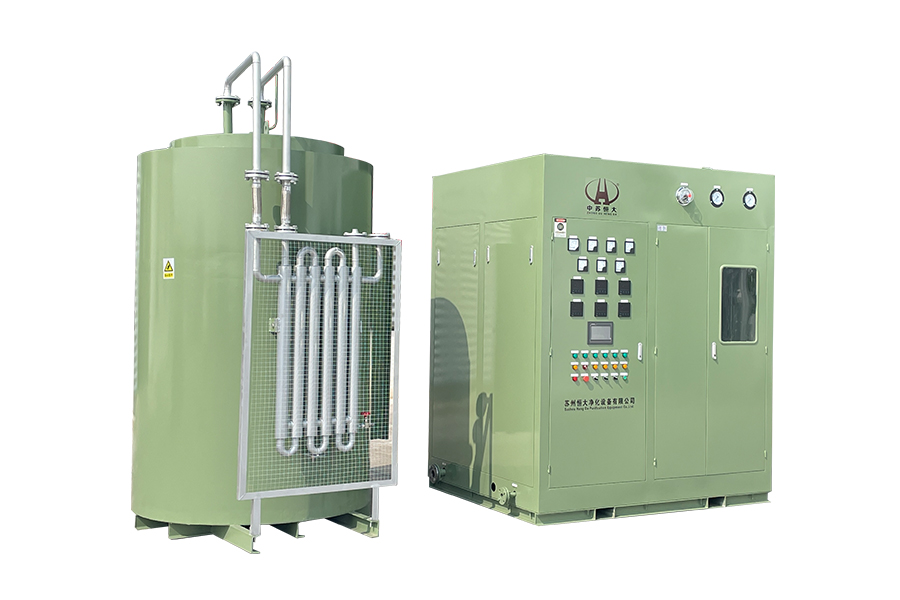
At a 200-bed hospital, oxygen can consume as much budget as electricity. The traditional reliance on delivered cylinders creates recurring risk: the more patients you treat, the more storage space, staff time, and back-up inventory you need. A medical molecular sieve oxygen generator takes a different route. It produces oxygen on site from ordinary compressed air, using zeolite molecular sieve to trap nitrogen and deliver an oxygen-enriched gas continuously. For facilities with real demand, that single change reduces supplier dependency and gives the hospital control over its own medical gas infrastructure.
These systems are increasingly specified in medical industry project requirements that call for dependable oxygen supply without recurring logistics costs. This article focuses on the equipment class used in hospital plants and larger care facilities, not bedside concentrators.
How a Medical Molecular Sieve Oxygen Generator Works
Pressure Swing Adsorption is the principle behind the medical molecular sieve oxygen generator. Ambient air is compressed and passed through a bed of zeolite molecular sieve. Because nitrogen adsorbs onto the sieve surface at higher pressure, the gas emerging from the tower contains roughly 90–96% oxygen. When the tower is depressurized, the adsorbed nitrogen is released into a vent stream, and the bed is ready for the next cycle. Two towers work alternately so oxygen flow is uninterrupted. The oxygen polisher, if present, removes remaining moisture and impurities.
Not all molecular sieves are equal. Sodium-based 13X zeolite is a common baseline, while lithium-exchanged or mixed-bed sieves offer higher nitrogen capacity in a smaller footprint. The choice affects output per tower volume, air consumption, and long-term stability. A serious supplier publishes the expected sieve life and can recommend the right grade for your local temperature, humidity, and air quality.
Key Components of a Medical PSA Oxygen Plant
A complete medical molecular sieve oxygen generator is not a single black box; it is a defined gas plant. The core block is the PSA tower, but the performance of that tower depends on everything upstream: stable compressed air, effective drying, filtration, and control logic. A small issue in feed air quality can reduce oxygen purity or shorten sieve life for years to come.
The air compressor is where the process starts. It must supply the right flow at a stable pressure, with oil carryover controlled to a level that the filtration train can remove. An undersized compressor is the most common reason a PSA plant, no matter how good the molecular sieve, cannot reach its rated oxygen output.
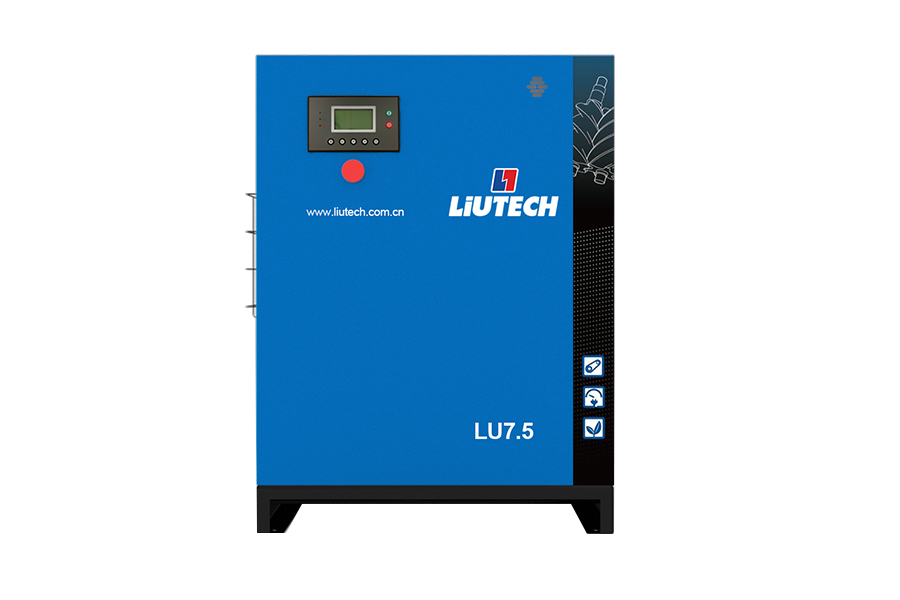 Integrated Compact Screw Air Compressor for PSA Oxygen Systems This plug-and-play screw compressor supplies stable compressed air for PSA plants. Its compact, integrated design simplifies installation while enhanced cooling improves efficiency in high-temperature environments, making it a reliable upstream choice. View Product Details →
The adsorption tower is the heart of the system. Molecular sieve is packed into two or more vessels and subjected to a cyclic pressure swing. Sieve grade, filling density, and the valve sequence define the product purity and recovery rate. The sieve is also the main consumable that wears over time, so you should know the expected replacement cycle and how to verify remaining capacity.
 Zeolite Molecular Sieve for PSA Oxygen Generation These lithium-based and 13X zeolite sieves are the core consumable in adsorption towers, delivering 93%±2% oxygen purity with high nitrogen selectivity and long service life, ideal for medical and industrial oxygen systems. View Product Details →
Some facilities also need to raise oxygen pressure for cylinder filling or high-pressure distribution. That task requires a dedicated medical oxygen booster, usually with an oil-free compression stage, to avoid contamination.
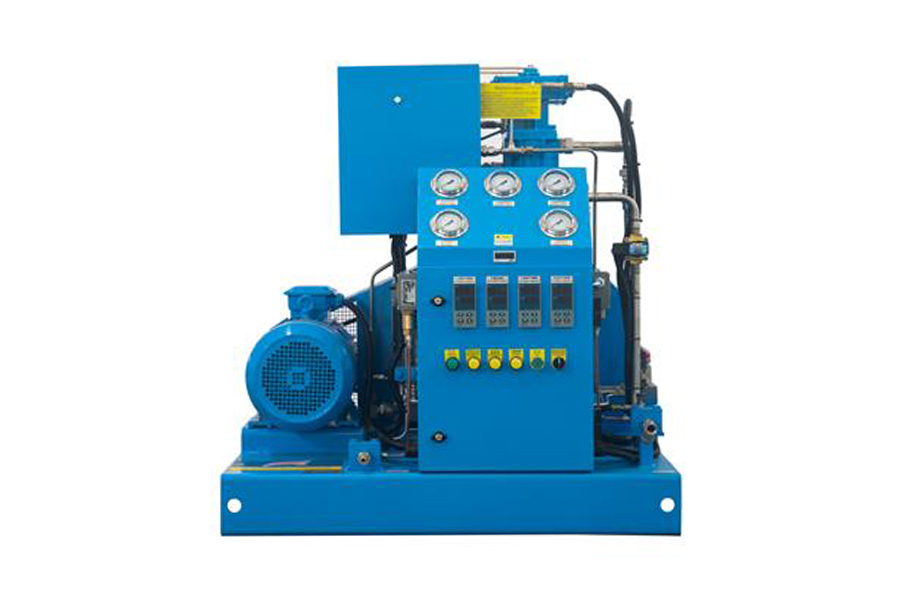 Oil-Free High Pressure Oxygen Booster Compressor Designed for cylinder filling and high-pressure distribution, this 100% oil-free booster compresses oxygen up to 200 bar without contamination, ensuring safe and efficient operation in medical and industrial oxygen stations. View Product Details →
Component roles at a glance
The table below summarises the main blocks in a typical medical PSA oxygen plant and what happens when one block fails.
| Component |
Function |
Consequence if neglected |
| Air compressor |
Provides continuous feed air at the required flow and pressure |
Limited oxygen output; oil carryover can contaminate the sieve |
| Dryer and filters |
Remove water, particulates and oil vapour before adsorption |
Moisture shortens sieve life and causes purity swings |
| PSA adsorption towers |
Host molecular sieve and produce oxygen-enriched gas |
Channeling or inadequate sieve fill reduces recovery |
| Oxygen buffer tank |
Smooth pressure and purity fluctuations |
Downstream equipment sees unstable flow |
| Control and monitoring |
Automates valve cycling and alarms on abnormal conditions |
Undetected purity or pressure excursion increases clinical risk |
| Optional booster compressor |
Compresses oxygen to filling or high-pressure distribution levels |
Low fill rates or contamination risk if not designed for medical oxygen |
Sizing a Medical Molecular Sieve Oxygen Generator
Oxygen flow rating for PSA plants is usually expressed in Nm³/h at a defined purity, often 93% or 99.5%. A 10 Nm³/h medical molecular sieve oxygen generator at 93% oxygen is not the same as a unit rated at 10 Nm³/h at 90%; the sieve volume, air consumption, and recovery rate all change. Ask the supplier for performance curves at the purity you actually plan to use.
| Plant rating |
Typical service |
Reference bed range |
| 5 Nm³/h |
Single ward block or small facility |
50–100 beds |
| 10 Nm³/h |
Medium hospital pipeline |
100–300 beds |
| 20–30 Nm³/h |
Large hospital or medical centre |
300–500 beds |
| 50+ Nm³/h |
Central plant with cylinder filling |
Regional hospital or filling station |
Right-sizing should be based on the short-term peak oxygen demand, not the monthly average. PSA plants have a designed turndown range, and oversizing is not free: more sieve and more compressor capacity mean higher energy consumption during partial loads. Work with an engineer who can calculate peak flow from the number of beds, ventilator capacity, and planned theatre activity.
When the clinical protocol requires 99.5% oxygen, a standard 93% molecular sieve generator must be followed by a purification or polishing stage. In that configuration, the same PSA core produces oxygen, while an additional block removes argon and residual nitrogen to meet the higher specification.
If your goal is to fill cylinders instead of relying on delivered bottles, connect the generator to a medical onsite oxygen filling system. This arrangement includes an oxygen booster, a storage cascade, and a filling panel, and it is the practical way to create an in-house oxygen supply for both pipeline and cylinder use.
Practical Procurement and Maintenance Considerations
Feed air quality determines sieve life
Water and oil are the two enemies of molecular sieve. Compressed air should be dried to an appropriate pressure dew point and filtered according to classes before it enters the adsorption towers. A dew point sensor is not optional; it is the early warning system that tells you when the drying system is degrading.
Verify performance under local conditions
The rated oxygen output of a molecular sieve oxygen generator changes with site altitude, ambient temperature, and inlet air quality. A unit sized for a coastal city may need a bigger compressor and deeper sieve bed at 1,500 m altitude. Ask the supplier for a calculation based on your site profile, not a generic brochure.
Plan for scheduled maintenance
Because the equipment is continuous-duty, maintenance windows must be planned well before filters or valves fail. Operational checks should include:
- Oxygen purity measured at least daily or continuously with an oxygen analyzer
- Filter element replacement according to the manufacturer's schedule
- Dew point and pressure drop checks across the drying and filtration train
- Sieve performance validation, including flow and recovery rate, every 12 to 24 months
- Backup oxygen source available during any major service
These are large skid-mounted or modular systems, not bedside concentrators. The engineering questions—compressed air capacity, dew point, sieve bed depth, buffer storage, and building ventilation—are closer to a utility plant than to an appliance.
Why Supplier Maturity Matters for Medical Oxygen
Jiangsu Luoming Purification Technology Co., Ltd., a subsidiary of Suzhou Hengda Purification Equipment Co., Ltd., has built its production and engineering discipline around gas separation and purification equipment. With a facility covering more than 16,000 square metres, the company received its Class II Medical Device Production License at the end of 2022. That background matters for a medical molecular sieve oxygen generator because every weld, valve, sieve fill, and purity alarm must be traceable to a disciplined production process.
When you evaluate a supplier, look beyond the oxygen output curve. Ask how the system is pressure-tested, how the sieve is filled and qualified, what alarms are standard, and how installation and commissioning are managed. Medical oxygen is a regulated gas; the supplier's quality management system should align with ISO 13485, local medical device regulations, and national standards for hospital gas systems. This is where a mature manufacturer earns its role.
Choosing a medical molecular sieve oxygen generator is ultimately a supply-chain decision. It replaces a recurring purchase of cylinders with an asset that produces oxygen whenever it is needed. The technology is proven, and the economics are favourable when demand is steady or growing. The remaining risk sits in the supplier's ability to deliver clean air, high-performing molecular sieve, and honest performance data. A hospital that buys on those factors gets more than a machine; it gets oxygen independence.





 English
 русский
 Français
 Español
 عربى
عربى