How Medical Molecular Sieve Oxygen Generators Work
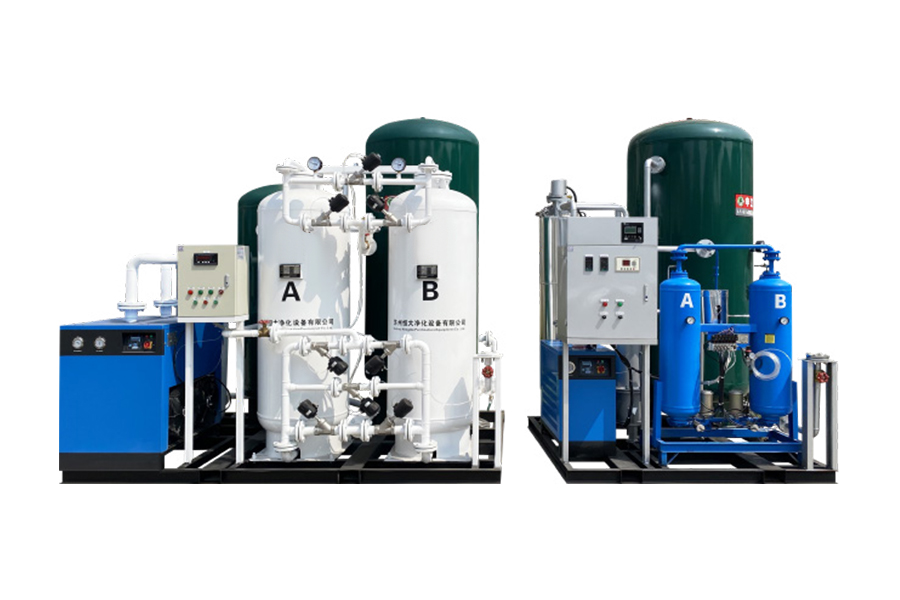
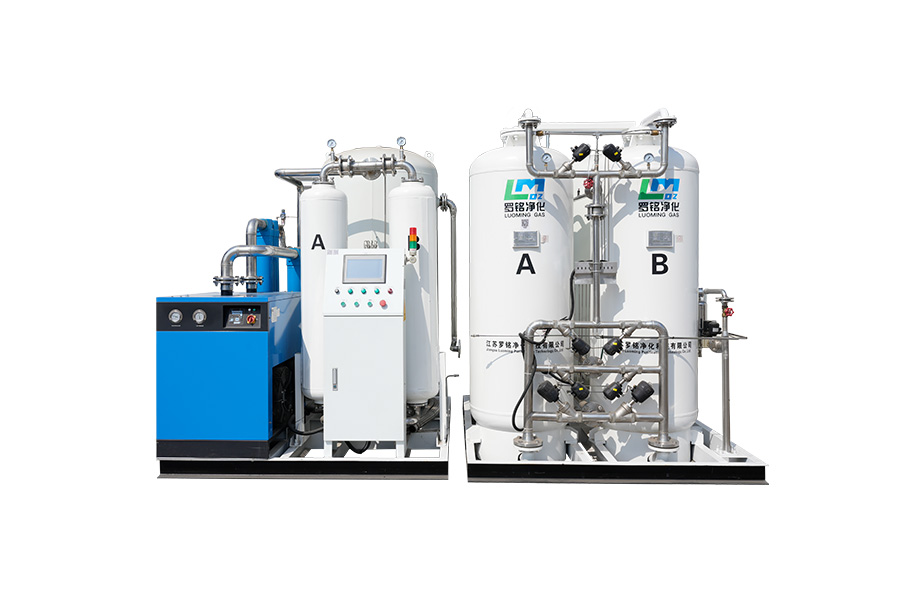
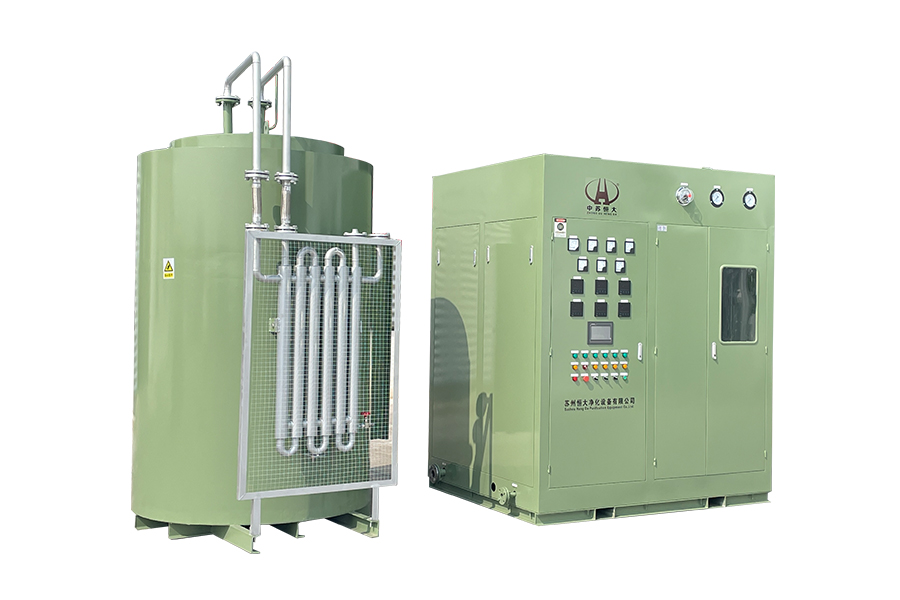
A hospital ward burns through oxygen around the clock, and delivered cylinders can only cover so much of that demand before costs and logistics start to bite. That's the gap a medical molecular sieve oxygen generator supplier is built to close, producing oxygen on-site instead of trucking it in.
The process is Pressure Swing Adsorption, or PSA. Compressed air is pushed through a bed packed with zeolite molecular sieve adsorbent. Under pressure, the sieve grabs onto nitrogen molecules while letting oxygen pass through as product gas. Once the bed nears saturation, the system depressurizes it, venting the trapped nitrogen back to atmosphere so the sieve can start adsorbing again. Two towers alternate between these states, so oxygen output stays continuous rather than pulsing on and off.
Nothing about this reaction is chemical. It's a physical adsorption cycle, which is why the equipment can run for years without consuming the sieve material itself — only the compressor and valves see meaningful wear.
Key Technical Parameters Buyers Should Check
Spec sheets for these systems vary by manufacturer, and small print about test conditions matters more than most buyers realize. A flow-rate number means little unless you know the altitude, temperature, and inlet pressure it was measured at. Here's a working reference point, based on figures rated at 0.8MPa feed air pressure, 20℃ ambient temperature, 100 meters above sea level, and 80% relative humidity — the conditions most manufacturers use as their baseline.
Typical baseline conditions and requirements for medical molecular sieve oxygen generators
| Parameter |
Specification |
| Feed air pressure |
0.8MPa |
| Ambient temperature (rated) |
20℃ |
| Altitude (rated) |
100m above sea level |
| Relative humidity (rated) |
80% |
| Power supply |
380V 3-phase / 220V 1-phase, 50Hz |
| Oxygen output pressure |
0.4–0.5MPa (pressurizable above this on request) |
Two things stand out here. First, altitude and humidity aren't cosmetic details — thinner air at higher elevation lowers achievable flow and purity, so a unit rated at sea level will underperform at 2,000 meters unless it's been resized for that site. Second, the 0.4–0.5MPa output range covers most hospital pipeline networks directly; anything requiring higher delivery pressure, such as certain filling or booster applications, needs a secondary pressurization stage rather than a different generator entirely.
Purity Standards That Matter for Medical Use
Medical-grade oxygen from a PSA system typically falls in the 90–96% purity band, often expressed as 93% ±3%. That's not a compromise figure — it's the recognized international standard for oxygen produced by pressure swing adsorption, distinct from the 99%+ purity of cryogenic liquid oxygen. Chasing a higher purity spec than a facility actually needs usually means paying for a larger, more expensive plant to deliver a lower flow rate, since purity and output volume trade off against each other in PSA design.
For facilities that specifically require higher concentrations — certain surgical or diagnostic applications, for example — a 99.5% high purity medical oxygen generator configuration is available as a step up from standard PSA output, using additional purification stages to push past the typical ceiling.
Installation Site Requirements
These generators are indoor equipment, not something to bolt onto an exterior wall. The installation area needs to be a non-explosion-proof indoor space, with good ventilation and ambient temperatures held between 3℃ and 45℃. Outside that band, compressor efficiency drops and the molecular sieve's adsorption performance becomes less predictable.
Room planning deserves attention early, not after equipment arrives. Compressors generate heat and noise, air dryers and filters need clearance for servicing, and the layout should allow technicians to swap sieve beds or valves without shutting down the entire supply. Facilities sizing a new room from scratch are usually better served consulting equipment dimensions before finalizing construction plans, rather than trying to retrofit a space designed for something else.
Choosing a Reliable Supplier
Certification is the first filter worth applying. ISO 9001, ISO 13485, CE marking, and GMP compliance each speak to a different layer of manufacturing discipline — quality management, medical device production, and export readiness. A supplier missing any of these for equipment marketed as medical-grade is worth questioning before anything else.
Beyond paperwork, ask how the manufacturer handles conditions that deviate from the standard test baseline. A vendor who can walk through how their system performs at your specific altitude, humidity, and power supply — rather than just quoting catalog numbers — is generally one who has actually engineered for real deployment conditions. This matters just as much for smaller oxygen supply setups for health care centers as it does for full hospital installations, since undersized or misapplied equipment tends to show its limits during peak demand, not during a demo.
Delivery timelines, payment terms, and after-sales support round out the decision. A manufacturer offering remote commissioning support alongside on-site installation options gives facilities more flexibility when local technical resources are limited — a detail that often matters more in practice than another percentage point of rated purity.





 English
 русский
 Français
 Español
 عربى
عربى