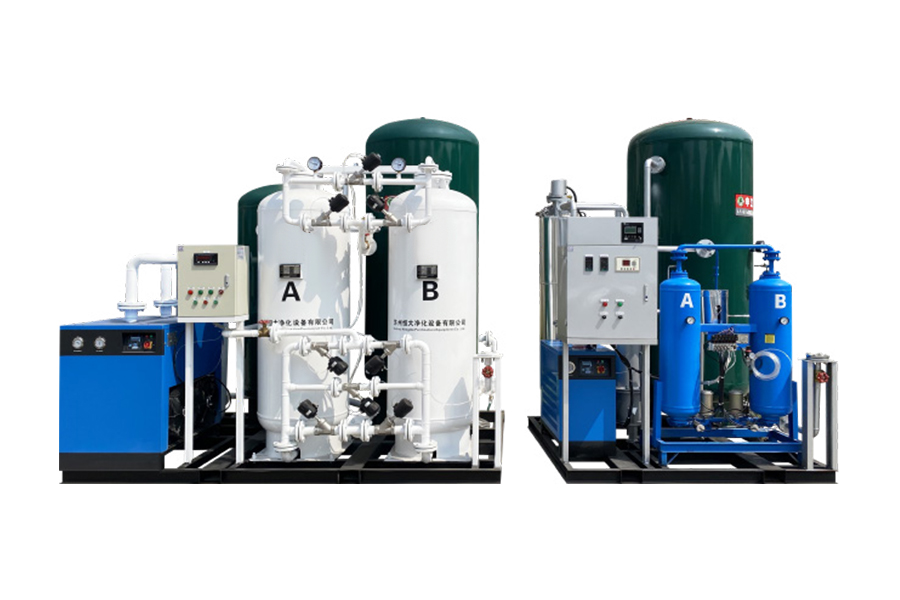
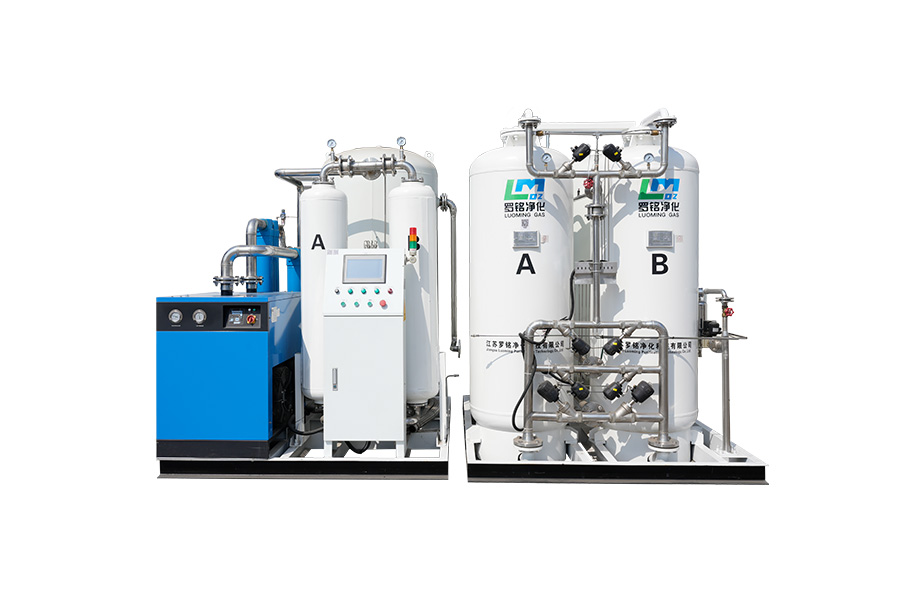
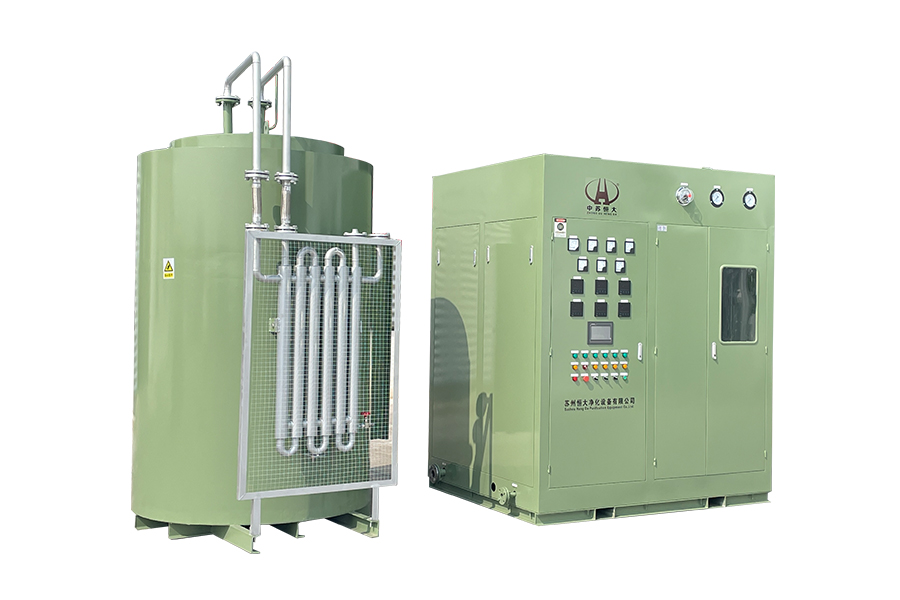
The medical oxygen on-site filling solution is suitable for scenarios where procuring medical oxygen cylinders locally is inconvenient and costly in some countries or regions. After purchasing a medical oxygen generator, customers can use a portion of the oxygen produced by the equipment for on-site oxygen supply, while the remaining oxygen is filled into cylinders and then transported to other regions for on-site oxygen supply.
Features: Convenient, low cost. Robust. The Luoming medical oxygen on-site filling equipment is equipped with a precision filtration device to ensure that the oxygen is not contaminated during the filling process and maintains its medical-grade purity at all times. The equipment features an intelligent control and monitoring module, supporting remote real-time monitoring of key parameters such as filling pressure and flow rate, automatically adjusting the filling process to ensure operational accuracy and safety, and reducing human error. The system has multiple protection mechanisms, such as overpressure protection and leakage alarms, strictly adhering to medical industry safety standards to ensure a stable and controllable filling process.
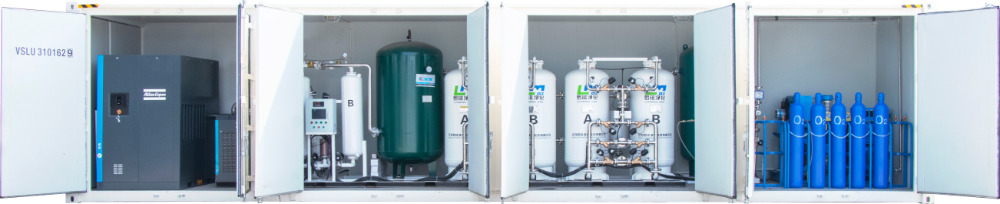
In terms of applicability, Luoming's on-site medical oxygen filling equipment can flexibly connect to oxygen generators of different specifications, adapting to the oxygen usage rhythms of various hospital departments. Whether it's emergency oxygen storage in emergency scenarios such as intensive care and surgery, or routine oxygen reserves in wards, it can efficiently meet the needs. Moreover, on-site filling reduces oxygen transportation links, not only lowering transportation costs and safety risks, but also ensuring oxygen freshness and timely supply, providing a more reliable and convenient solution for hospital oxygen management. In short, Luoming's on-site medical oxygen filling equipment eliminates the need for traditional cylinder procurement channels, integrating on-site oxygen generation, filling, and supply, simplifying the operation process. It saves on the high costs of cylinder procurement, transportation, and storage, significantly reducing oxygen expenditure.





 English
 русский
 Français
 Español
 عربى
عربى