Home / News / Industry News / Never Delay Medical Oxygen Generator Maintenance: A Small Saving Now May Lead to Higher Operating Costs Later | Luoming Oxygen Generators
Industry News
Never Delay Medical Oxygen Generator Maintenance: A Small Saving Now May Lead to Higher Operating Costs Later | Luoming Oxygen Generators
Many hospitals continue operating oxygen generators after the recommended maintenance interval because of scheduling constraints, budget considerations, or the belief that the equipment is functioning normally. However, a system that is still producing oxygen does not necessarily mean that all internal components remain in good condition. As operating hours accumulate, filters may collect oil, moisture, and particulate matter, while airflow distribution and pressure-equalization conditions may gradually change. If these issues are not addressed in time, impurities may place additional stress on the molecular sieve system and make oxygen-purity fluctuations, energy-consumption changes, and troubleshooting more difficult to manage.
For a hospital oxygen supply system, the consequences of delayed maintenance involve more than one repair bill. Declining molecular sieve performance, blocked filtration components, abnormal valve operation, or sensor deviation can change equipment operating parameters. If a minor issue continues to develop, more components may need to be replaced and the normal operating schedule of the oxygen generator may be affected. Regular maintenance is therefore not an optional add-on. It is an important part of maintaining oxygen-system continuity and managing lifecycle operating costs.
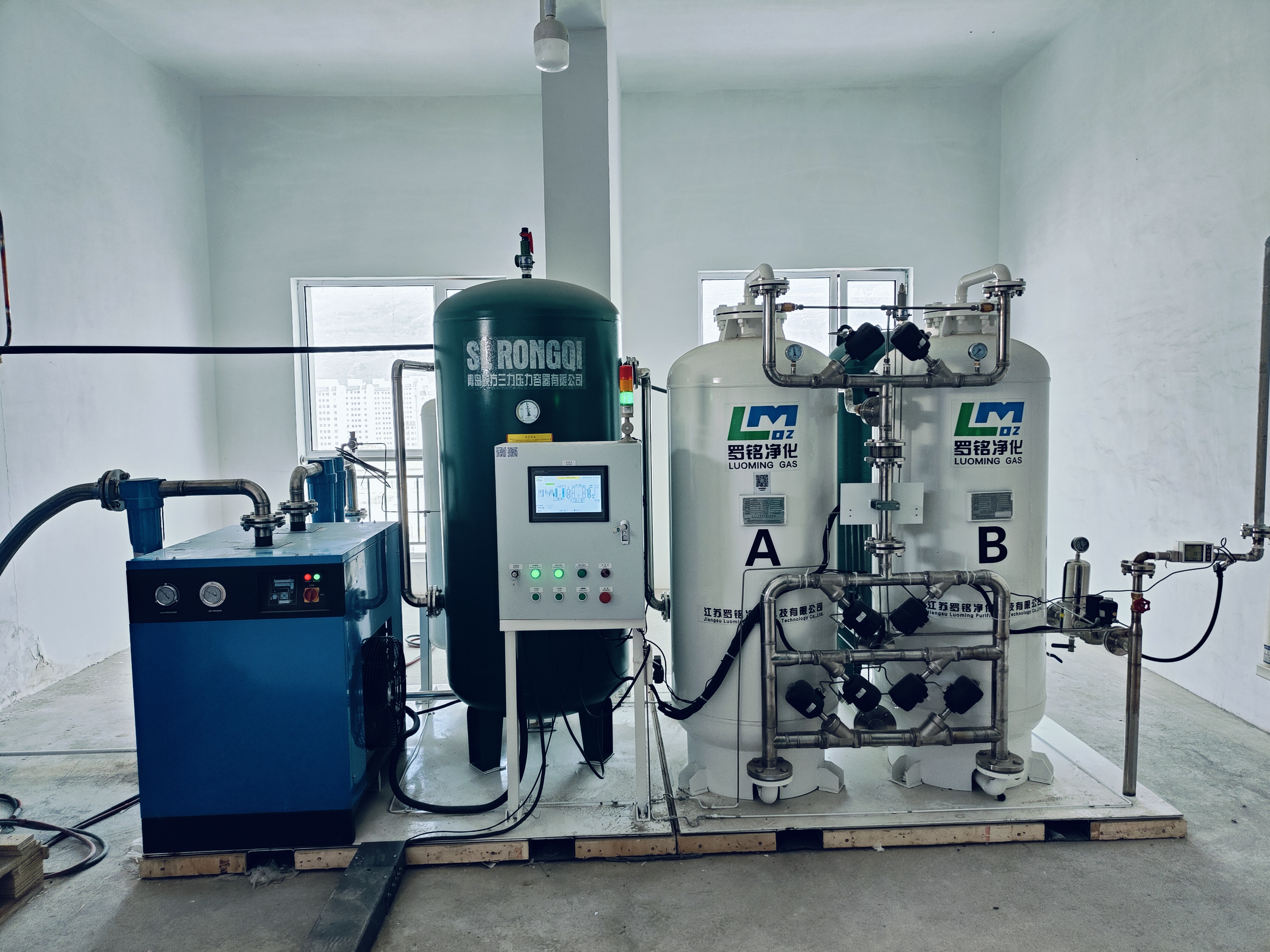
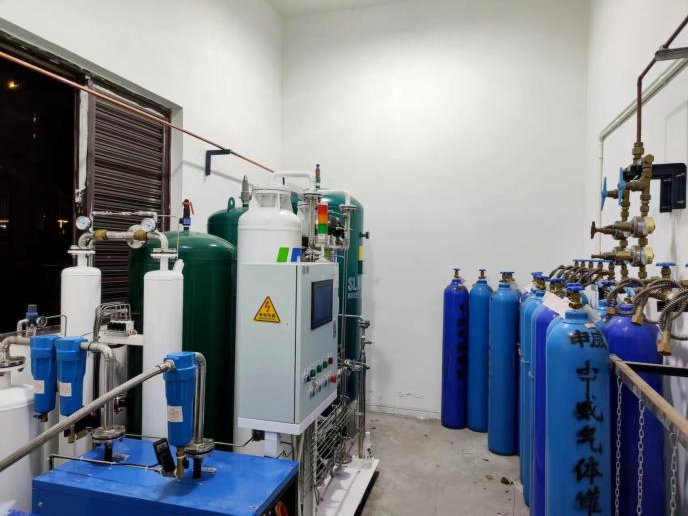
A hospital oxygen room where front-end filters, the oxygen generator, and cylinders must be kept in good condition.
Standardized Maintenance to Reduce Operating Risks at the Source
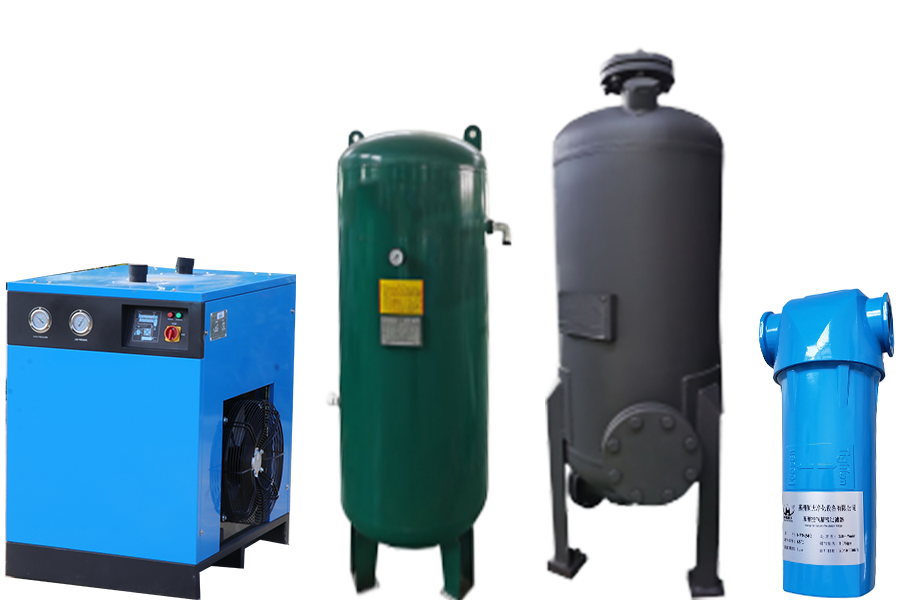
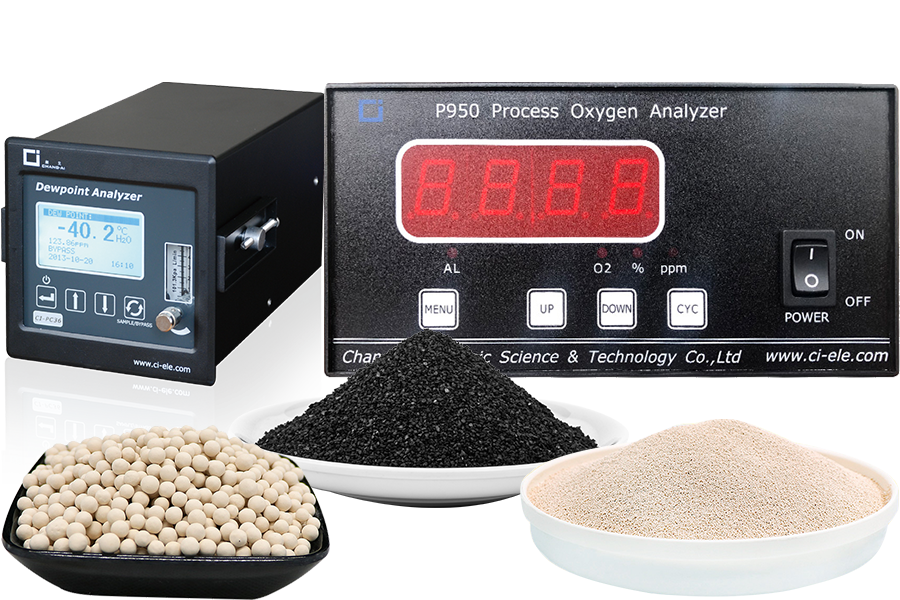
LuoMing Purification can provide standardized periodic maintenance for hospital oxygen systems according to the equipment model, operating hours, load, and site conditions. Maintenance activities may include inspection of air-filtration and purification components, filter-element and drainage-component maintenance, gas-path and valve inspection, zirconia-sensor calibration, airflow equalization adjustment, and control-system status checks.
Timely cleaning of purification components, inspection of key parts, and calibration of relevant measuring elements can help facility teams identify increasing filter resistance, abnormal airflow distribution, measurement deviation, or changes in oxygen-supply parameters at an earlier stage. The final maintenance scope and inspection depth should be determined according to the equipment structure, operating records, maintenance manual, and on-site test results.
Equipment and Parts Covered by Routine Maintenance
Protecting the Molecular Sieve System and Reducing Maintenance Pressure
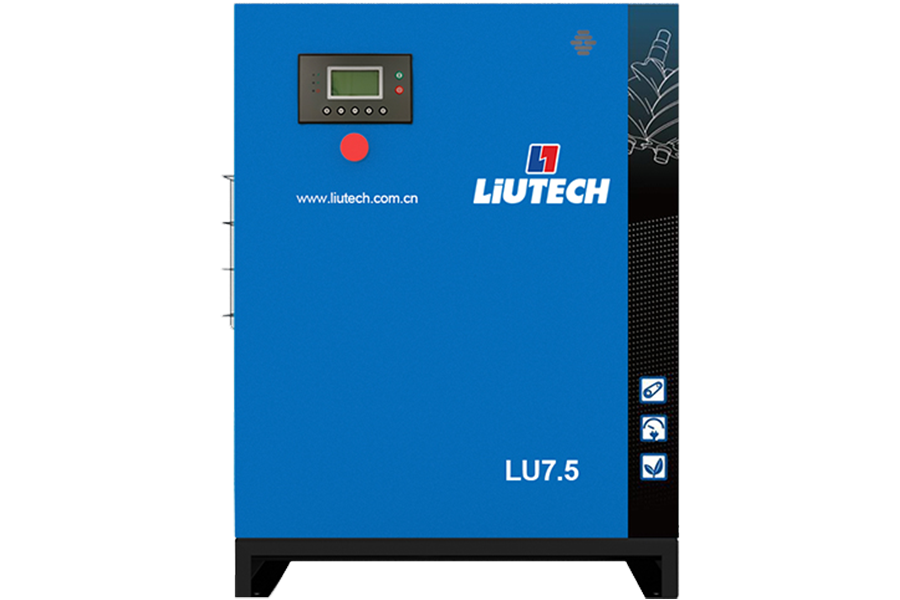
The molecular sieve system in a PSA oxygen generator can be affected by intake-air quality, pressure, temperature, oil, moisture, and particulate matter. When front-end filtration and drying components are not maintained for an extended period, compressed-air treatment may become less effective and place additional operating stress on the molecular sieve system.
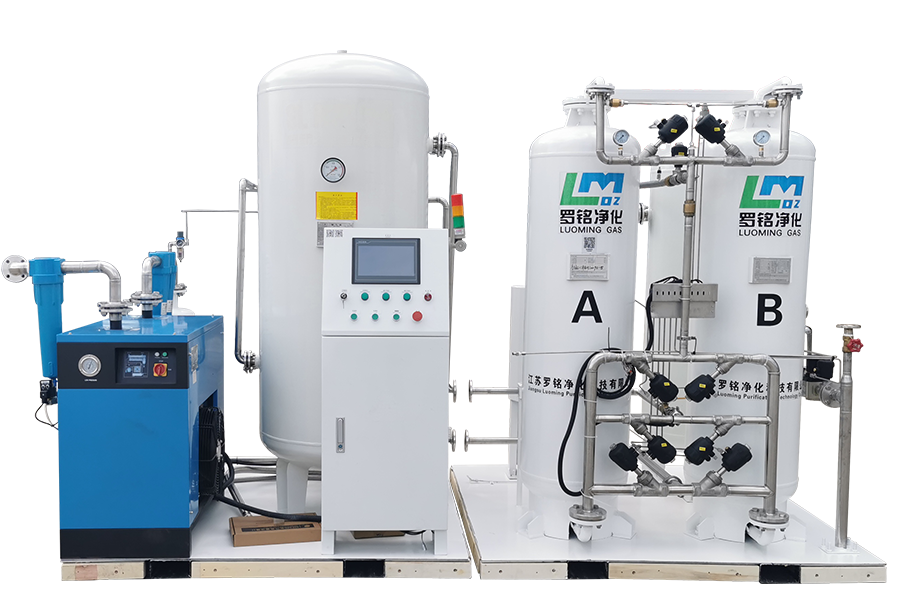
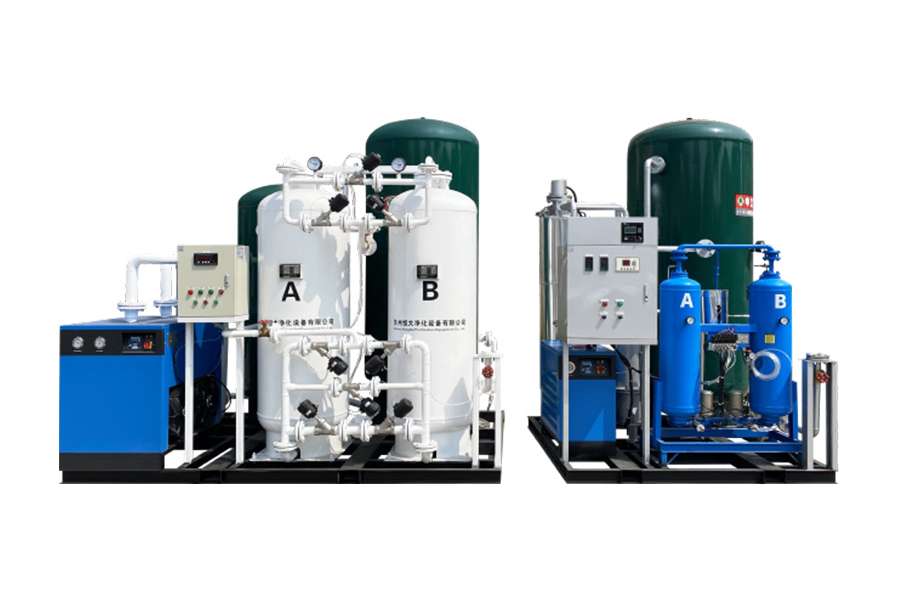
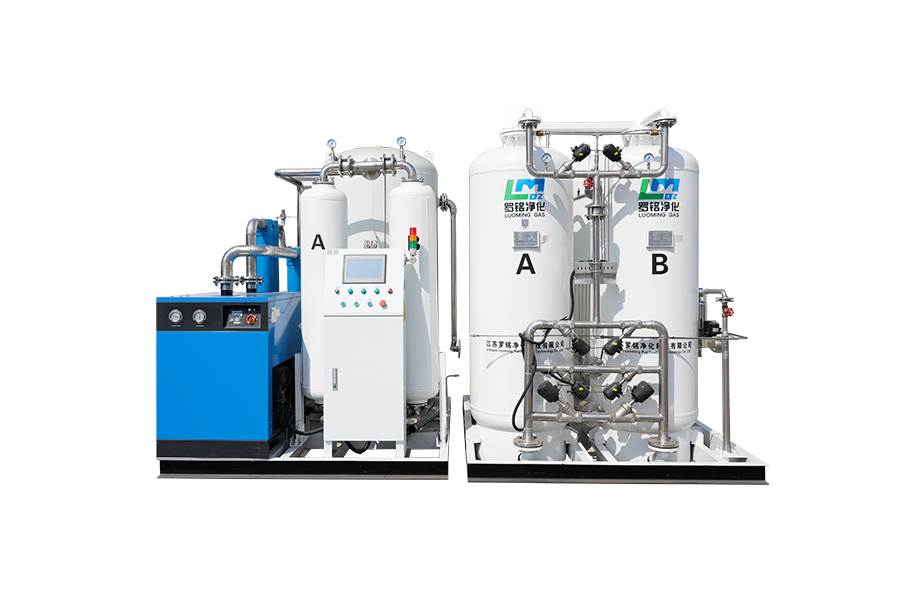
Twin-tower PSA oxygen generator with its air dryer, buffer tank, and control cabinet.
Periodic maintenance helps hospitals inspect the air-treatment equipment, filters, drying equipment, and drainage system to confirm whether the related components are functioning properly. If a system has already shown oxygen-purity fluctuations, abnormal pressure, poor drainage, or repeated alarms, the cause should be investigated through operating data and on-site testing rather than judged only by the external appearance of the equipment.
Proper maintenance can help preserve the operating condition of the oxygen generation system and reduce the possibility that minor issues will accumulate into major repairs or premature component replacement. Actual maintenance results depend on equipment configuration, operating load, intake-air quality, operating procedures, and site conditions.
Monitor Oxygen Purity, Energy Use, and Equipment Condition
Maintenance of a hospital oxygen system should not focus only on whether the equipment is still producing oxygen. Oxygen purity, supply pressure, gas flow, energy consumption, alarm records, and the condition of key components should also be reviewed. By recording and comparing operating parameters regularly, facility teams can identify changes in equipment trends and arrange inspection or maintenance in a more timely manner.
According to project requirements, Luoming can provide remote condition monitoring and technical support to help customers review equipment operating information. For maintenance issues that require on-site handling, on-site operational support can also be arranged according to the service agreement. Remote monitoring does not replace necessary physical inspection, but it can help hospitals identify abnormal trends earlier and manage oxygen-supply risks proactively.
Maintenance Is Part of Oxygen-Supply Safety Management
Hospital oxygen systems are connected to clinical oxygen-supply arrangements, so equipment maintenance should be included in facility-management and operational-safety plans. Compared with waiting for an unexpected failure and then arranging emergency repairs, a scheduled plan covering inspections, consumable replacement, parameter calibration, and fault response can make maintenance more continuous and traceable.
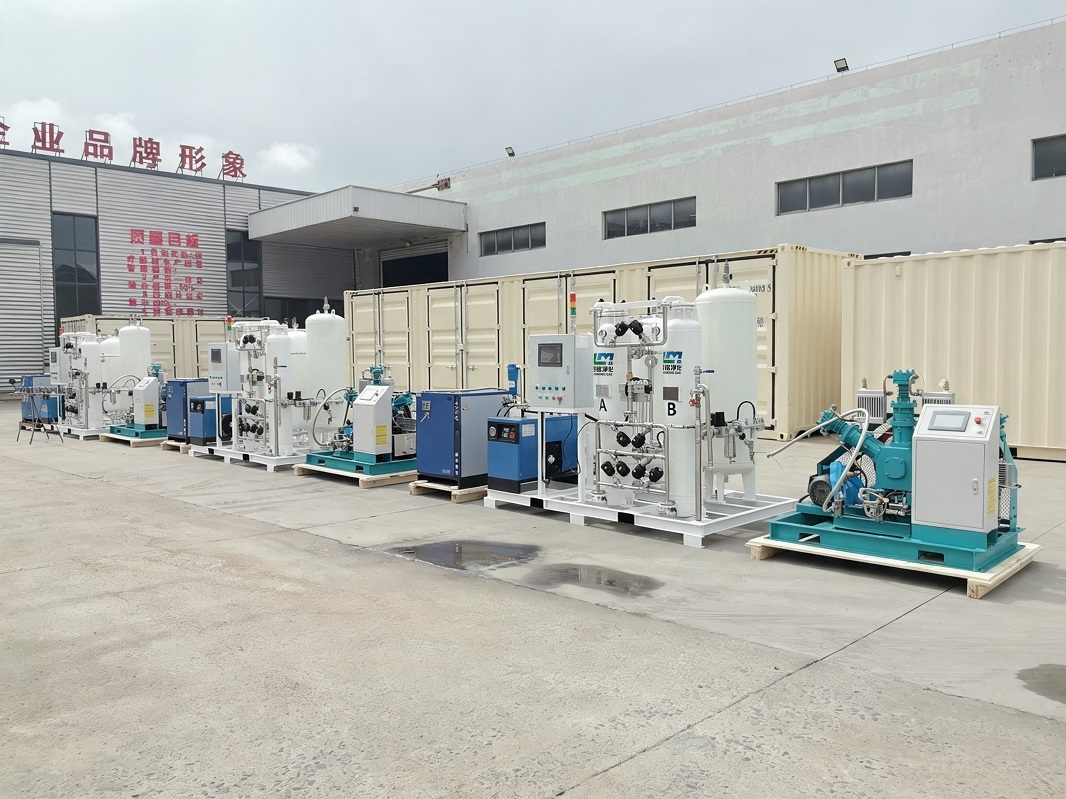
Luoming oxygen generation equipment assembled and ready for delivery.
LuoMing Purification provides periodic maintenance, operating guidance, remote condition monitoring, troubleshooting, spare-parts support, and on-site operational services for hospital oxygen generation equipment. The specific service scope, maintenance frequency, and response method should be determined according to the equipment model, project contract, and hospital requirements.
If your medical oxygen generator has exceeded its maintenance interval or is experiencing oxygen-purity fluctuations, changes in energy consumption, increasing alarms, blocked filters, or unstable operation, contact Luoming to discuss a medical oxygen generator maintenance plan, remote monitoring, and on-site service options.





 English
 русский
 Français
 Español
 عربى