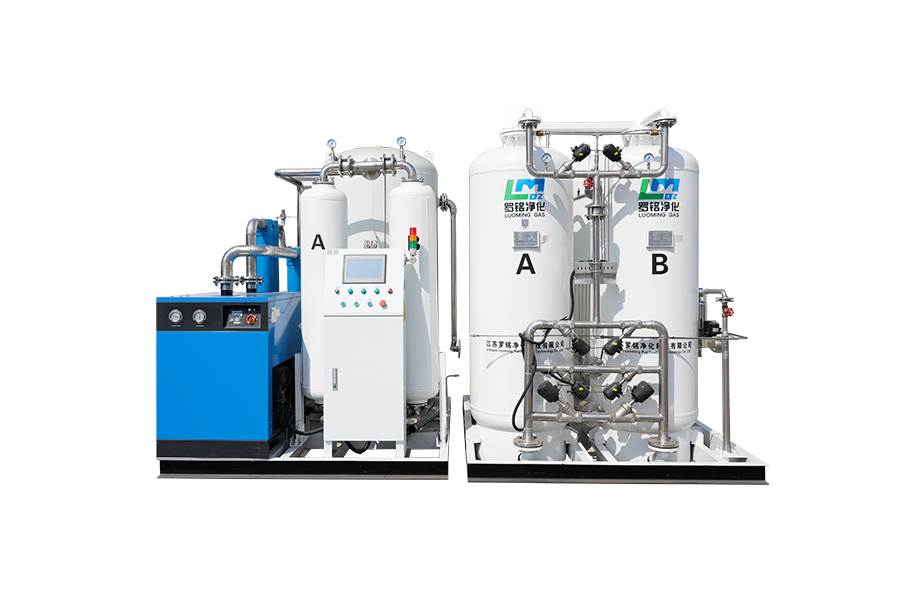
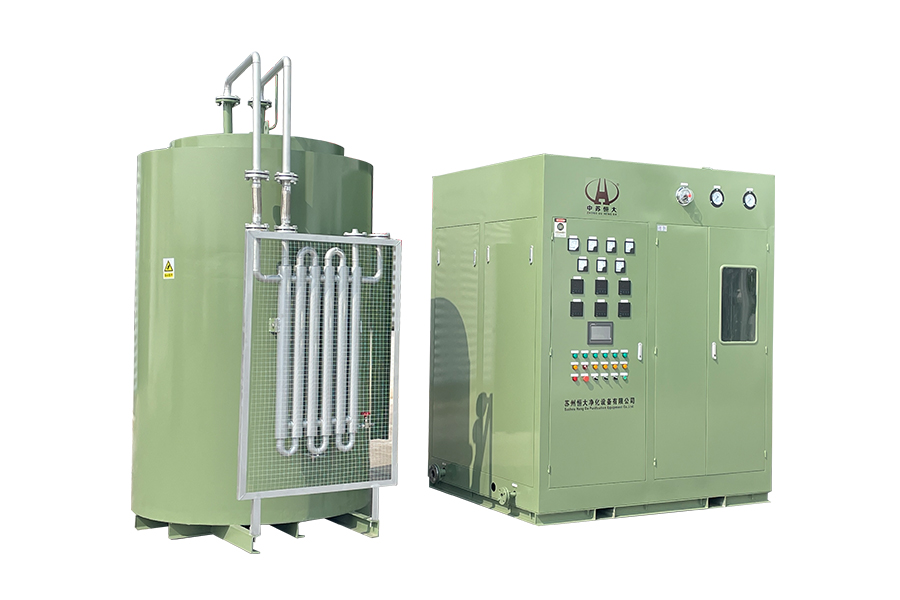
A nitrogen filling line is usually quoted in two halves, and the half that gets under-specified is the one between the generator outlet and the cylinder valve.
Most enquiries arrive as two numbers: a purity and a flow, such as 99.9% at 40 Nm3/h. Those numbers describe gas generation. They say nothing about the pressure the cylinders must reach, how long an operator is prepared to wait at the manifold, or how much water vapour the gas picks up on the way to 200 bar. Projects that stumble during commissioning almost always stumble on this second half.
What follows covers the equipment downstream of the PSA unit, how to calculate a realistic fill rate, and which specifications should be settled before a purchase order rather than after it.
Working rule: the generator is specified by purity and flow; the filling line is specified by pressure, fill rate and dew point at the fill point.
What Nitrogen Filling Equipment Includes
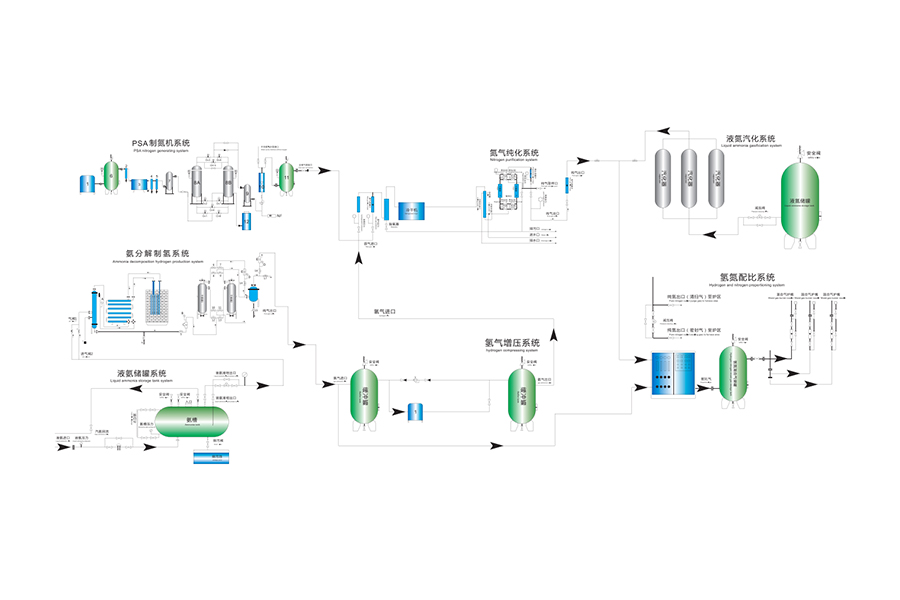
A nitrogen filling system is a five-stage chain: generation, buffering, drying and filtration, high-pressure boosting, and controlled delivery into cylinders.
Typical stages of a cylinder filling line and the range each stage is sized over.
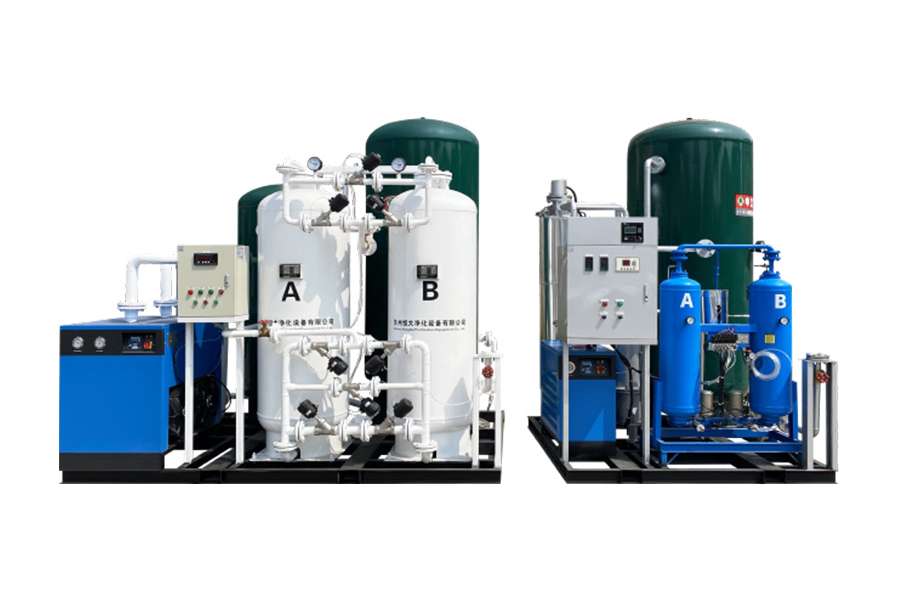
PSA generator
Splits nitrogen from compressed air on carbon molecular sieve
95 to 99.999% purity, 0.6 to 0.8 MPa outlet
Buffer vessel
Absorbs demand swings so the generator runs on a steady load
1 to 3 m3, sized to one fill cycle
Dryer and filters
Remove water and oil aerosol ahead of compression
Pressure dew point of -40 C or lower, 0.01 micron filtration
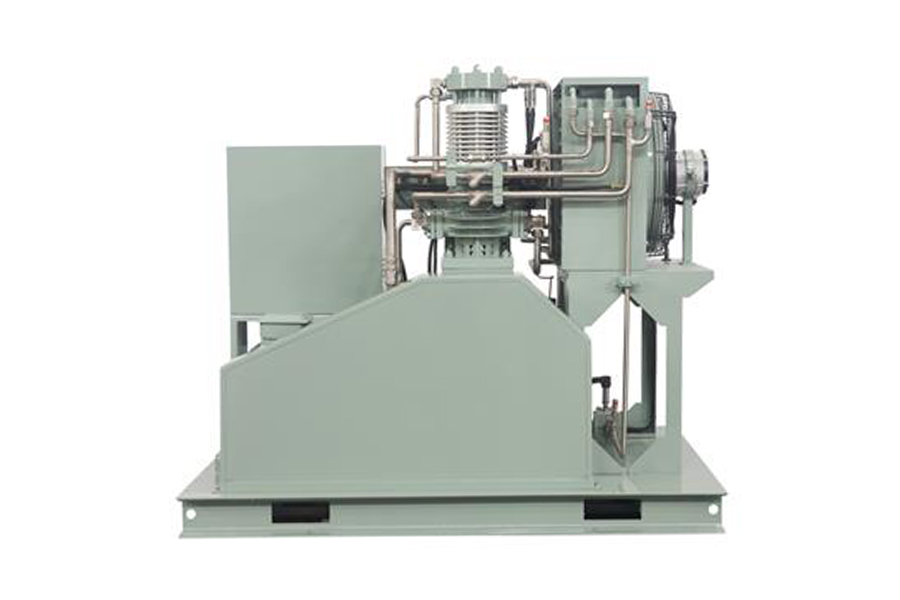
High-pressure booster
Raises gas from line pressure to cylinder pressure
Oil-free, two or three stage, 10 to 200 Nm3/h
Fill panel and manifold
Controls fill rate, sequences bottles, protects the line
2 to 12 positions, one gauge and one relief device per line
Order matters as much as the components. A dryer installed after the booster works at 200 bar and costs far more than one installed on the low-pressure side; a booster fed with wet gas wears faster and carries moisture into every cylinder it fills. Dry before compression, then prove it with an analyzer rather than with a gauge.
The expensive omission: a filling line without dew point measurement is an unverified filling line. Moisture shows up weeks later as corrosion inside the cylinder, long after the invoice has been paid.
Sizing the Fill Rate from Cylinder Volume and Pressure
Start with the gas content of one cylinder, multiply by the number of fills per hour, then add 10 to 15 percent for purging, losses and top-ups.
Gas content follows water capacity and fill pressure. A 40 L cylinder filled to 150 bar holds roughly 6 Nm3, and a 50 L cylinder at 200 bar holds roughly 10 Nm3. Compressibility at these pressures shifts the figure by a few percent, which is why the safety allowance matters more than a fourth decimal place.
6 Nm3
Gas in a 40 L cylinder at 150 bar
10 Nm3
Gas in a 50 L cylinder at 200 bar
160 Nm3/h
Booster duty for 20 fills per hour
-40 C
Pressure dew point to hold at the fill point
Approximate booster capacity at 8 Nm3 per cylinder
Two effects push real output below the nameplate figure. Cylinder back pressure climbs through each fill, so the booster spends most of the cycle away from its most efficient point. A fast fill also heats the gas, which means a cylinder reading 200 bar on a hot gauge may settle near 185 bar once it cools. Either plan a top-off step or fill to a temperature-corrected target pressure.
Fill time belongs to the booster, not the generator. Doubling generator output will not shorten a slow fill when the booster is the constraint, and it will not raise cylinder pressure by a single bar.
Purity, Moisture and the Dew Point Question
Cylinder filling fails on moisture far more often than on oxygen content. A PSA unit can hold a steady 99.9% and still deliver wet gas to the manifold if the dryer is undersized or the receiver is saturated.
Nitrogen purity is a property of the whole filling line, measured at the point of use, not a number printed on a generator nameplate.
Purity requirements follow the application rather than the equipment. Around 99.9% is normal for general purging and assist gas, while 99.999% with a -60 C dew point is what pharmaceutical production and electronics assembly usually specify. Shops running high-volume laser cutting often care more about stable pressure at the nozzle than about the last decimal of purity, but they still need dry gas to protect the optics and the cut edge.
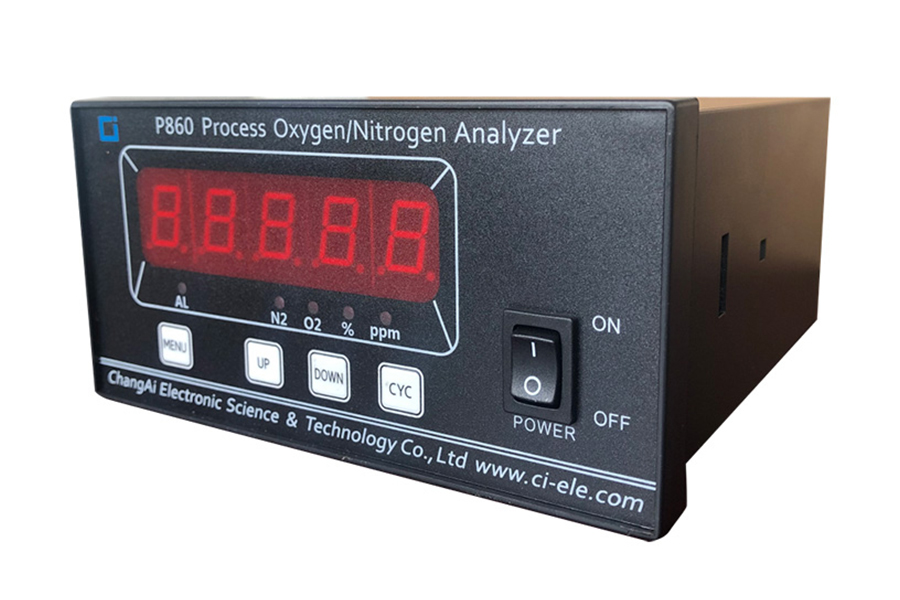
Two instruments settle the argument: a dew point analyzer on the high-pressure side and an oxygen analyzer sampling at the fill point. Read both after the line has run for half an hour, when the dryer has reached steady state and the readings have stopped drifting.
Specify purity and dew point as separate line items. A single purity figure conceals the moisture risk, and moisture is the failure mode that damages cylinders rather than merely disappointing a test report.
Direct Filling versus Cascade Filling
Direct filling takes one cylinder to full pressure straight from the booster. Cascade filling uses storage banks at descending pressures, topping the bottle from the highest bank first and finishing with the booster.
Direct filling
Lower capital cost and a smaller footprint
Simple to operate and to audit
Booster runs for the whole cycle, so energy use per fill is higher
Cascade filling
Most gas transfers by equalisation, not compression
Shorter booster run time at steady throughput
Extra pressure vessels, more space and more inspection scope
For a station filling a handful of cylinders a day, direct filling keeps cost and complexity down. Cascade pays back when the same booster is asked to fill continuously, because the storage banks do most of the pressure work before the booster joins in.
Cascade is not automatically better. Below roughly 10 to 15 fills per hour, the additional storage vessels frequently cost more than the energy they save over the life of the line.
Commissioning Checks Before the First Cylinder
Five checks separate a line that is ready from a line that merely runs.
Pressure test the high side
Hold the high-pressure section at 1.25 times working pressure for the period your local code requires, and record gauge readings at start and finish rather than relying on memory.
Verify gas quality at the fill point
Read dew point and oxygen after 30 minutes of running. A reading taken at the generator outlet tells you about generation, not about what enters the cylinder.
Confirm valve connections
Check that threads and adapters match the cylinder standard in use, whether that is CGA, DIN or BS, and that no adapter has been improvised across thread families.
Screen every cylinder
Reject bottles with an expired hydrostatic test, a damaged valve or unknown residual contents before they reach the manifold, not after.
Set protection and log the first fills
Commission overpressure devices, the fill-rate limit and the alarm log, then run the first 20 fills with an operator watching the gauge and the clock.
The first 20 fills are the real commissioning test. Gas quality that holds for one cylinder and drifts across a shift usually points to a saturated dryer, not a faulty analyzer.
What to Put in a Purchase Enquiry
An enquiry containing the following six items can be priced accurately the first time, and it removes most of the back-and-forth that delays a delivery schedule.
Peak and average fills per hour, plus total cylinders per day.
Cylinder water capacity and the target working pressure.
Purity and pressure dew point required at the fill point.
Number of fill positions and whether cascade storage is expected.
Available power, ambient temperature range, altitude and footprint.
Local rules covering pressure vessels, cylinder testing and operator protection.
Where a site has no reliable bulk gas supply and cylinders are the delivery format, the generation and filling stages are usually quoted as one integrated package so that purity, storage volume and booster duty are matched before anything is built.
Frequently Asked Questions
What pressure does nitrogen filling equipment need to reach?
It depends on the cylinder in use: 150 bar for many industrial and medical bottles, 200 bar for standard high-pressure cylinders, and 300 bar for breathing-air and specialty formats. The booster is selected against that target plus the fill rate, not against the generator outlet pressure, which typically sits between 0.6 and 0.8 MPa.
Can a PSA generator fill cylinders directly?
No. A PSA unit delivers gas at roughly 0.7 MPa, while cylinders need 15 to 30 MPa. A high-pressure booster is mandatory, and for high-purity work it must be oil-free to avoid contaminating the gas it compresses.
How long does one cylinder take to fill?
A 50 L cylinder holding about 10 Nm3 takes roughly 40 minutes on a 15 Nm3/h booster, longer as back pressure builds. Cascade storage shortens the booster portion of the cycle, which is why it is usually paired with higher throughput stations.
How is purity confirmed after filling?
Sample at the fill point, not at the generator. Read dew point and oxygen after the dryer has reached steady state, and repeat the check at the start and end of a shift so that drift is caught before a batch of cylinders is released.
Ask for the fill-rate curve, not just the peak flow. A supplier who can show pressure against time for your cylinder size has already done the sizing work that most quotations skip.





 English
 русский
 Français
 Español
 عربى