The Real Cost of Trucked-In Nitrogen
A single cylinder swap looks cheap on paper. Multiply it by a weekly delivery schedule, rental fees on every bottle sitting in the yard, and a driver who shows up late during a production crunch, and the number changes fast. Plants running continuous nitrogen purge, leak testing, or packaging lines often discover that gas logistics, not the gas itself, is the biggest line item.
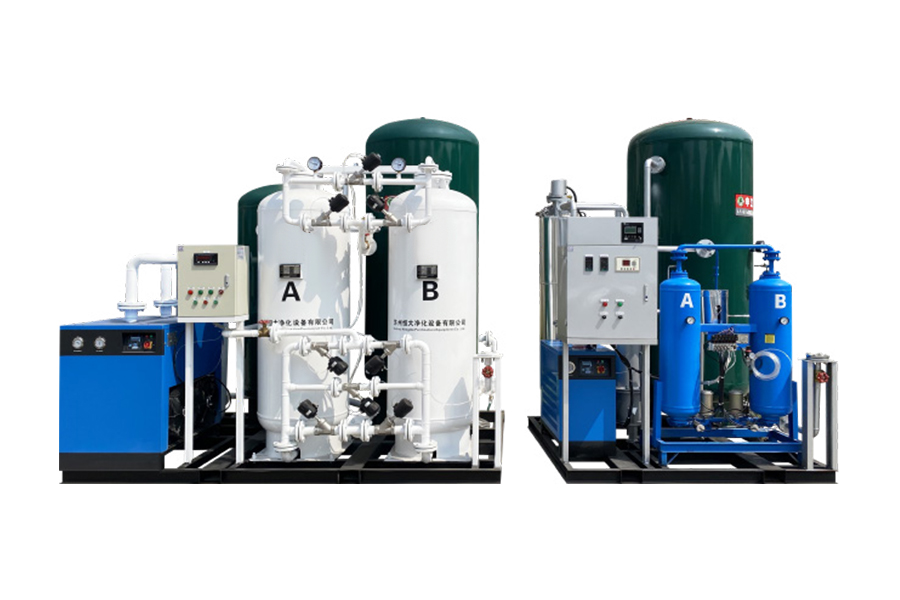
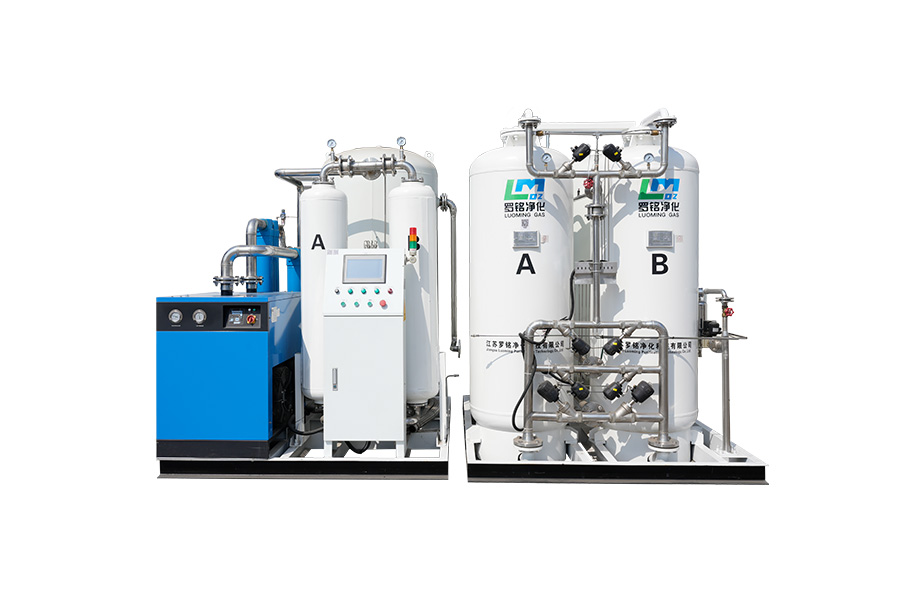
That's the gap custom nitrogen filling equipment built for on-site cylinder refilling is designed to close. Instead of buying nitrogen by the bottle, a facility produces it from the air already moving through its compressor room, then bottles the surplus for its own use or resale.
How On-Site Nitrogen Filling Equipment Works
The process is simpler than most operators expect. Compressed air is filtered and dried, then passed through a pressure swing adsorption stage that strips out oxygen and moisture, leaving high-purity nitrogen behind. A booster compresses that nitrogen to cylinder pressure, and a filling manifold handles the bottling step.
Because the whole chain runs off standard shop air and electricity, there's no tanker truck involved and no waiting on a supplier's route schedule. Nitrogen becomes available the moment a valve opens.
Where the Savings Actually Come From
Four factors tend to drive the return on this kind of system, and they compound over time rather than showing up as a single upfront discount.
- Cost-effectiveness — no more paying for cylinder rental, delivery fuel surcharges, or demurrage on bottles sitting idle
- Continuous supply — production doesn't pause because a shipment is delayed or a supplier runs short during peak season
- Flexibility and customization — pressure and flow rate are set to match the actual process, not the nearest standard cylinder size
- Improved production efficiency — steady nitrogen availability keeps downstream lines running instead of idling equipment
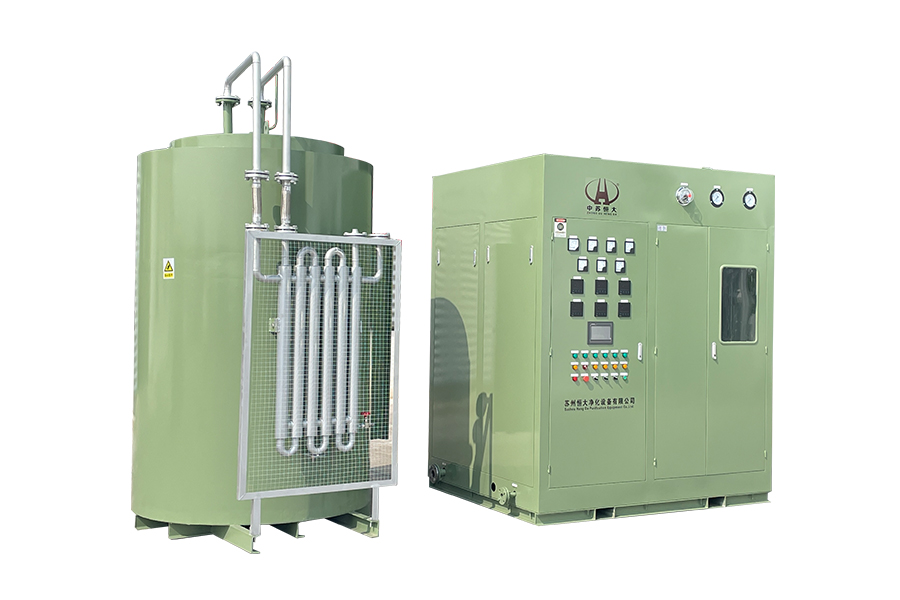
A high-pressure nitrogen compressor for cylinder filling is usually the piece that makes this loop close — it's what turns generated nitrogen into stored, portable pressure rather than a low-pressure stream that only feeds a single process point.
Matching Purity and Pressure to Your Application
Not every application needs the same nitrogen. Food packaging and general inerting often run comfortably at 95–99% purity, while electronics soldering, pharmaceutical processing, or metal heat treatment call for tighter tolerances. Sizing a system around the wrong purity target either wastes capacity or leaves a process under-protected.
For applications with strict specifications, a high-purity nitrogen generator for demanding purity specs adds a secondary purification stage to push output well beyond standard PSA levels. Pairing that with a nitrogen-oxygen purity analyzer to verify output quality gives an operator a real-time readout instead of a periodic lab test, which matters when a process runs on tight tolerances around the clock.
What to Check Before You Invest
Before committing to a system, it helps to walk through a short checklist rather than sizing on gut feel:
- Confirm daily nitrogen consumption in scf or Nm³, not just cylinder count
- Match required purity to the actual process, not the highest number available
- Check available compressed air capacity and electrical supply at the install site
- Factor in cylinder filling pressure needed for downstream storage or resale
- Ask about maintenance intervals for filters or molecular sieve beds
For sites that need mobility rather than a fixed installation, a portable nitrogen generator for mobile or remote sites covers field operations, temporary projects, or facilities without room for a permanent skid.
Once consumption, purity, and pressure requirements are clear, sizing the right system becomes straightforward. Get in touch with our engineering team to work through the specifics for a particular site.





 English
 русский
 Français
 Español
 عربى
عربى