A single nitrogen cylinder swap costs more than the gas inside it. Add delivery fees, demurrage on empty tanks, and the labor to manage rotating supply, and most plants discover their "cheap" nitrogen bill is inflated by 30-40% before it ever reaches the production line. That math is why procurement teams keep circling back to one question: does an on-site N2 generator actually pay for itself, and which specification should go on the RFQ?
Purity and Flow Rate Drive Everything Else
Before comparing vendors, nail down two numbers. Nitrogen purity requirements vary sharply by process — food packaging typically runs fine at 99.5%, while electronics assembly and laser cutting often demand 99.999% or tighter oxygen residuals. Flow rate should be sized to actual consumption, not peak guesswork; oversizing adds unnecessary capital cost, while undersizing forces a second purchase within two years.
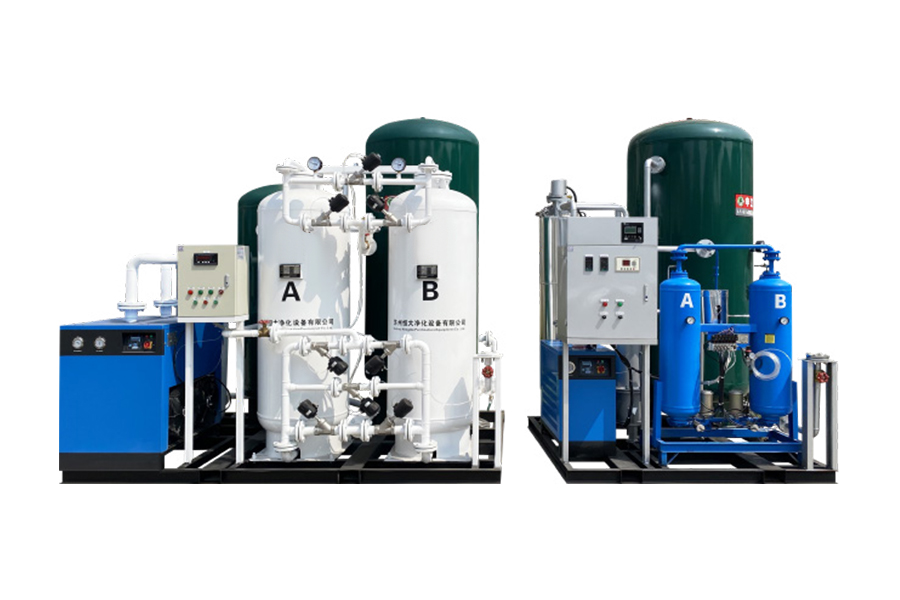
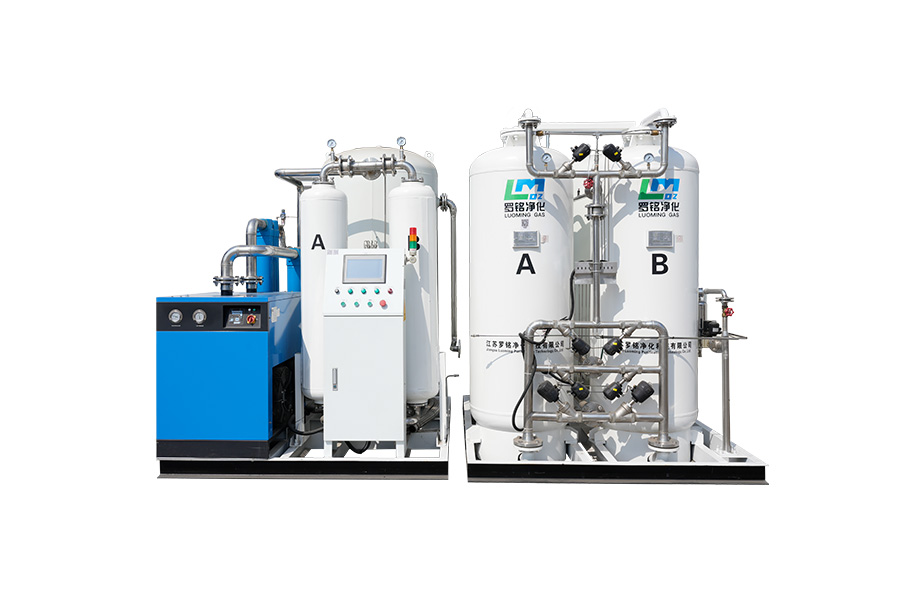
Pressure swing adsorption (PSA) systems use a carbon molecular sieve to separate nitrogen from compressed air across twin towers, and they scale further than membrane units — commercial PSA lines commonly cover a 1-500 Nm³/h output range with purity adjustable up to 99.999%. Membrane systems are simpler and more compact but top out at lower purity, making them a better fit for applications like tire inerting or general blanketing rather than high-spec electronics work.
Build the RFQ Around Five Fields
Vague inquiries get vague quotes. Suppliers can only price accurately once they have:
- Required nitrogen flow rate (Nm³/h)
- Target purity percentage
- Discharge pressure (Bar)
- Voltage, phase, and frequency
- The specific industry or process the gas feeds
Skipping any of these usually means a second round of back-and-forth, which stretches lead time before the unit is even ordered. It's also worth asking whether the system is field-adjustable — many industrial buyers underestimate their nitrogen demand in year one and need headroom to dial purity or flow up later without buying new equipment.
Total Cost of Ownership, Not Just Sticker Price
An N2 generator is a capital purchase, so weigh it against three years of cylinder or bulk-tank costs, not one delivery. On-site generation removes trucking, empty-cylinder storage, demurrage, and the operational risk of running out mid-shift. Maintenance on a PSA unit is largely limited to filter changes and periodic sieve inspection — there's no moving parts inside the adsorption towers themselves, which keeps unplanned downtime low. Energy draw comes almost entirely from the feed air compressor, so buyers should request compressor sizing alongside the generator quote, not as a separate afterthought.
For processes that need ultra-high purity — semiconductor packaging, pharmaceutical inerting, metal heat treatment — ask specifically about a high-purity nitrogen generator configuration rather than a standard industrial line; the tower sizing and control logic differ enough that retrofitting later is rarely cost-effective.
Vetting the Manufacturer
Certifications separate serious manufacturers from assemblers. ISO 9001 confirms a documented quality system; CE marking matters for shipments into the EU and many other regulated markets; SGS inspection reports give an independent check on factory output before container loading. If your project has any medical or pharmaceutical touchpoint, ISO 13485 and GMP compliance should be non-negotiable line items, not nice-to-haves.
Delivery timing is another practical filter. Containerized PSA nitrogen systems typically take 10-50 working days to build and test depending on configuration — get that number in writing before signing, along with the payment structure (T/T or L/C are standard for cross-border orders) and packaging standard, since export-grade wooden casing matters for equipment shipped by sea.
Where This Fits for OEM and Custom Projects
Buyers integrating nitrogen supply into a larger system — trailers, containerized plants, or private-label equipment — should confirm OEM support early, including customizable door configurations, integrated air conditioning, and control panel branding. Jiangsu Luoming Purification Technology, a PSA-focused manufacturer in Jiangsu, China, builds containerized nitrogen systems across that 1-500 Nm³/h range with ISO9001, ISO13485, CE, SGS, and GMP certification, and supports OEM customization for buyers sourcing under their own brand.
The right order sequence is simple: define purity and flow first, request quotes against the full five-field spec, compare total cost against your current gas bill, and confirm certifications and lead time in writing before committing. Skipping any one of those steps is usually what turns a straightforward equipment purchase into a slow, expensive redo.





 English
 русский
 Français
 Español
 عربى
عربى