

 English
 русский
 Français
 Español
 عربى
عربى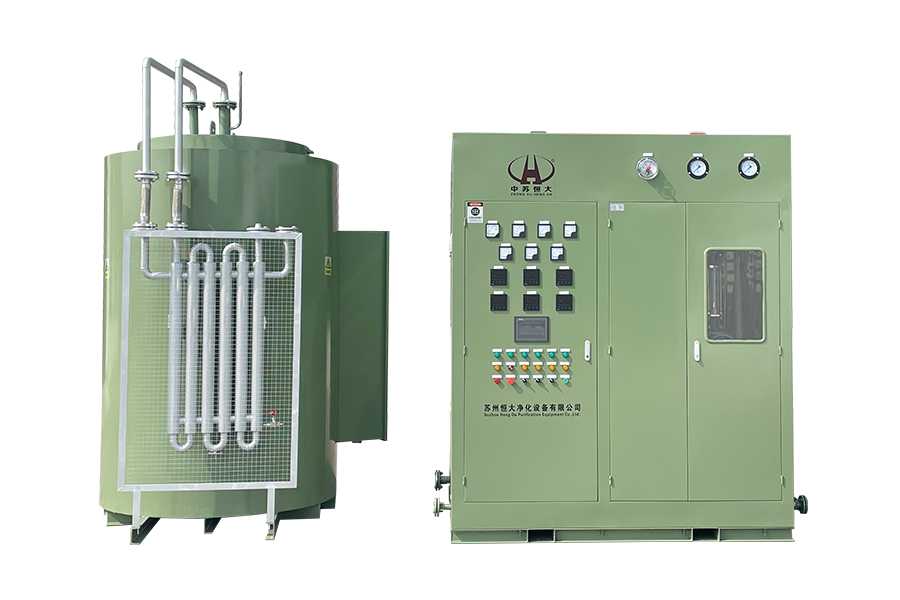
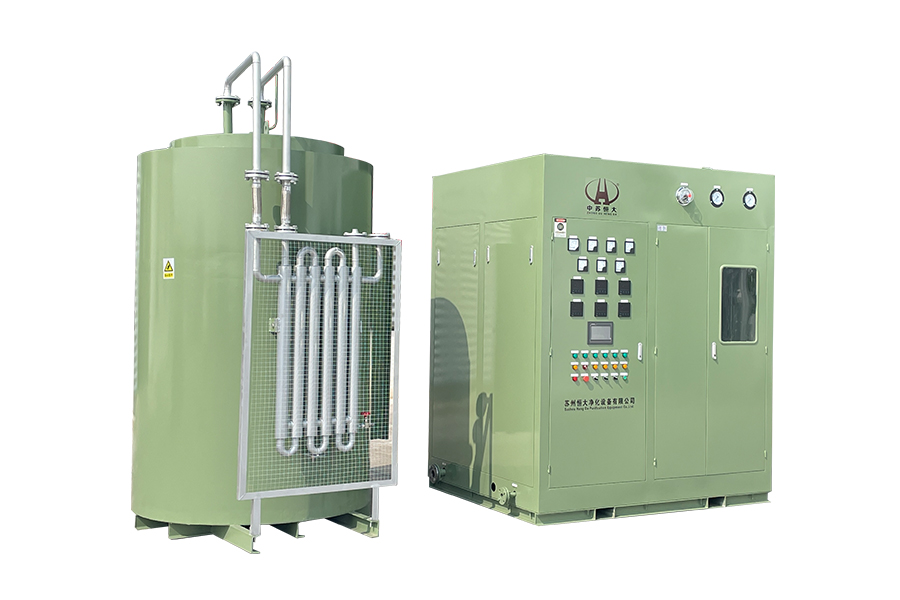
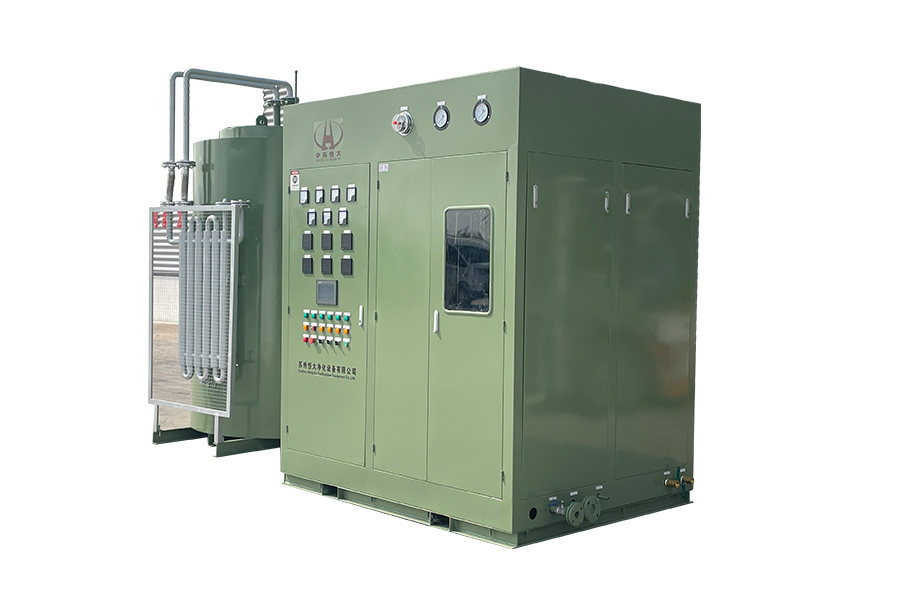
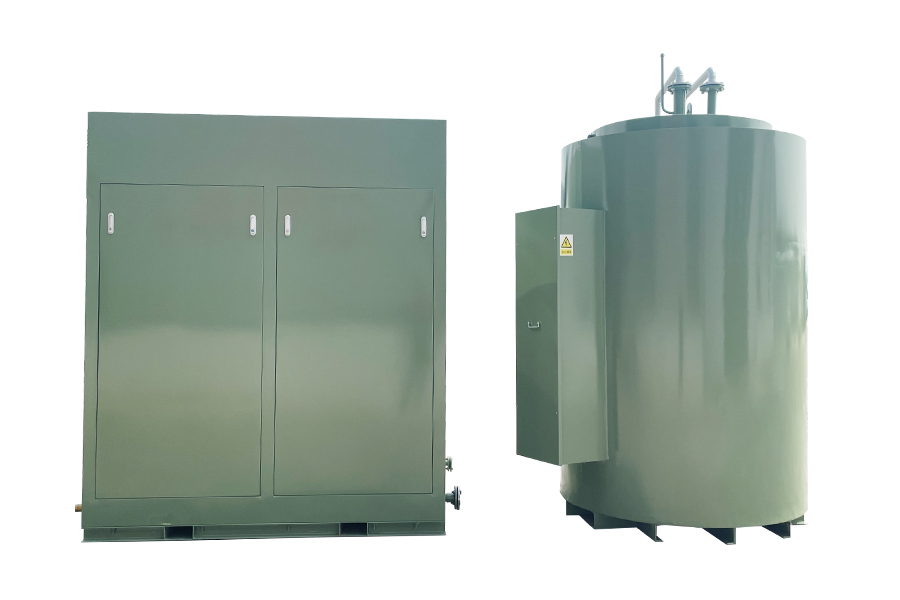
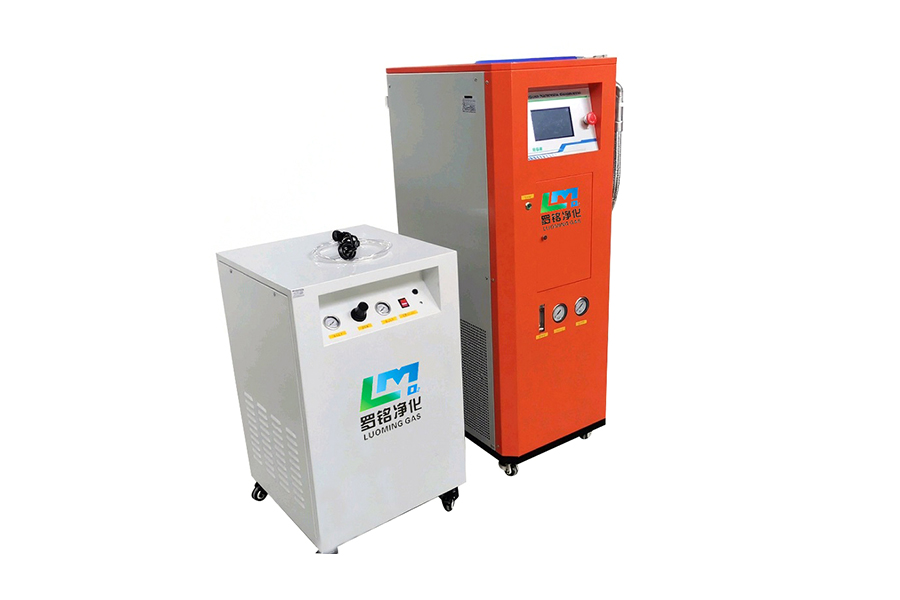
Jiangsu Luoming offers advanced Circular Furnace Ammonia Decomposition Hydrogen Production Units. It generates a mixed gas of 75% H2 and 25% N2, which can be further purified into 99.999% pure hydrogen gas using pressure swing adsorption. It is suitable for industrial metal heat treatment, sintering, and chemical manufacturing.
Jiangsu Luoming offers advanced Circular Furnace Ammonia Decomposition Hydrogen Production Units. It generates a mixed gas of 75% H2 and 25% N2, which can be further purified into 99.999% pure hydrogen gas using pressure swing adsorption. It is suitable for industrial metal heat treatment, sintering, and chemical manufacturing.
1. Product Introduction
High-Efficiency Circular Furnace Ammonia Decomposition System for Industrial Hydrogen Production
The Circular Furnace Ammonia Decomposition Hydrogen Production Unit from Jiangsu Luoming is a cutting-edge solution for on-site hydrogen generation. By leveraging advanced NH3 cracking technology, this system provides a cost-effective and reliable supply of high-purity hydrogen-nitrogen mixtures, essential for modern industrial applications.
The unit integrates a high-performance decomposition furnace, a gas purifier, and a precision electrical control system. It is designed to decompose liquid ammonia into a clean gas mixture consisting of 75% Hydrogen (H2) and 25% Nitrogen (N2).
2. Technical Specifications & Performance
| Feature | Specification |
| Raw Material | Liquid Ammonia (NH3) |
| Gas Composition | 75% H2, 25% N2 |
| Hydrogen Purity | Standard (Mixed) / Up to 99.999% (with PSA) |
| Furnace Type | Circular / Plum-shaped Monolithic Cracking Tube |
| Heating Element | Nickel-Chromium Alloy (High Surface Load) |
| Insulation | Vacuum-filtered Aluminum Silicate Fiber |
3. Core Technological Advantages
Innovative Furnace Design for Maximum Thermal Efficiency
Our U-shaped or plum-shaped monolithic cracking furnace tubes ensure uniform gas flow throughout the system. This unique geometry prevents localized overheating, extending the furnace's lifespan and maximizing thermal efficiency. The external wire structure further enhances heat transfer, reducing overall energy consumption.
Superior Material Durability
The furnace is constructed from rare high-temperature heat-resistant alloys, specifically engineered to withstand highly corrosive environments. Our heating elements utilize premium nickel-chromium alloys, ensuring stable mechanical properties even under extreme thermal stress.
Advanced Insulation Technology
We use vacuum-filtered aluminum silicate fiber for core insulation. This material undergoes a specialized surface strengthening process (5x reinforcement), resulting in a lightweight yet high-strength barrier. Its unique structure yields a thermal conductivity coefficient 15% lower than standard industry products.
4. Key Features of Luoming Hydrogen Plants
• Cost-Effective Investment: Lower initial capital expenditure and reduced operational costs compared to traditional hydrogen sources.
• Compact & Modular: Small footprint with a simple operating principle, making it easy to integrate into existing production lines.
• High Purity Guarantee: When paired with our Gas Purification Device, purity levels can reach ≥99.999% via Pressure Swing Adsorption (PSA).
• Reliable Warranty: Optimized core components (furnace body, gall, and heating wires) come with a one-year warranty under normal working conditions.
5. Industrial Applications
The hydrogen-nitrogen mixture produced by our ammonia decomposition units serves as a vital protective atmosphere across various sectors:
| Industry | Application |
| Metal Heat Treatment | Bright annealing and sintering of steel and alloys. |
| Powder Metallurgy | Reduction and sintering processes for precision parts. |
| Electronics | Sintering of electronic materials and semiconductor components. |
| Glass Manufacturing | Protective gas for tin tanks in float glass production. |
| Chemical & Ceramics | High-temperature refractory material sintering and chemical synthesis. |
6. Frequently Asked Questions (FAQ)
Q: How does the ammonia decomposition process work?
A: The process follows the chemical reaction: 2NH3 → 3H2 + N2. Liquid ammonia is heated and passed over a catalyst, where it decomposes into hydrogen and nitrogen gas.
Q: Can I get pure hydrogen instead of a mixture?
A: Yes. By adding a PSA (Pressure Swing Adsorption) system, the nitrogen can be removed to produce hydrogen with a purity of 99.999%.
Q: What is the typical maintenance schedule?
A: Thanks to our optimized design and high-grade materials, the system requires minimal maintenance. We provide a 3-year warranty on core components to ensure long-term stability.