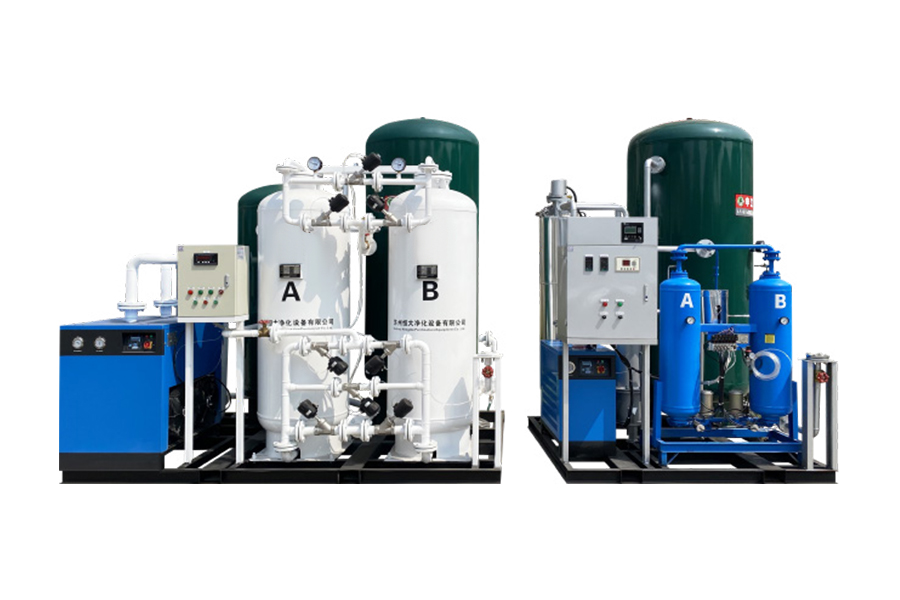
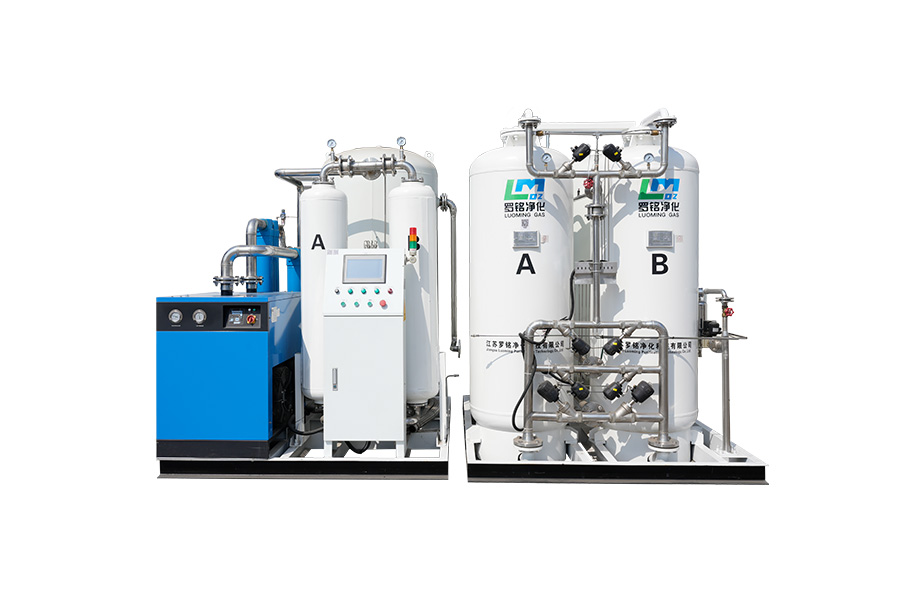
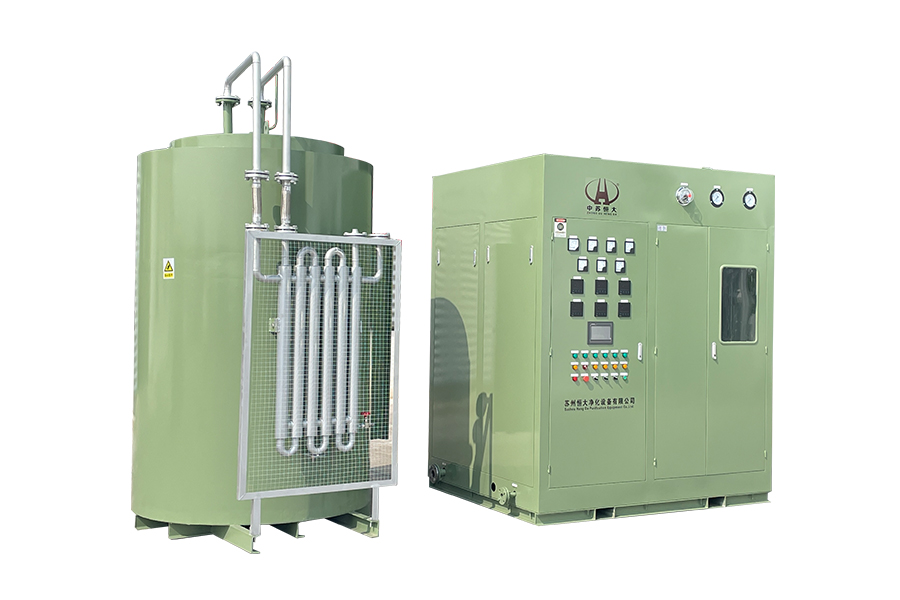
A hospital running low on oxygen is not a supply problem — it's a patient safety crisis. That's why procurement teams worldwide are moving away from cylinder dependency toward on-site generation, and a 5 Cubic Medical Oxygen Generator has become the benchmark output capacity for mid-sized clinical facilities. At 5 m³/h of continuous flow, it meets the oxygen demands of ICU wards, surgical suites, and emergency units without the logistics overhead of refillable tanks.
This guide breaks down what makes a 5 m³ unit the right choice, what separates a well-engineered machine from a generic one, and what to verify before placing an order.
What "5 Cubic" Actually Means for Clinical Operations
The output figure — 5 m³ per hour — is a flow rate at standard conditions, not a storage volume. A properly certified 5 m³/h generator operates continuously, supplying oxygen to multiple patients simultaneously. At a typical therapeutic flow of 2–3 L/min per bed, a 5 m³/h unit can reliably support a ward of 25–30 beds with a comfortable safety margin.
Purity matters as much as volume. Medical-grade PSA systems deliver oxygen at 93% ±3% concentration — the threshold specified by the World Health Organization and major pharmacopoeias for clinical applications including ventilation, anesthesia, and resuscitation. The remaining fraction is primarily argon and inert nitrogen, both physiologically harmless.
PSA Technology: The Engine Behind On-Site Generation
Pressure Swing Adsorption (PSA) works by forcing ambient air through zeolite molecular sieve columns under pressure. Nitrogen is selectively adsorbed into the sieve material; oxygen — unable to bind — passes through as a concentrated product stream. When the sieve becomes saturated, pressure is released, nitrogen desorbs, and the column regenerates automatically. Two columns alternate in sequence, enabling truly continuous output with no manual intervention.
The practical advantage over liquid oxygen is significant: no cryogenic storage infrastructure, no scheduled deliveries, no evaporation losses during idle periods. Operating costs drop considerably once initial installation is complete, and facilities in remote or high-altitude locations gain full supply independence. For medical industry oxygen applications ranging from rural district hospitals to urban surgical centers, PSA generation is the infrastructure-light, long-term solution.
Who Needs a 5 m³/h Generator?
The 5 m³/h output class sits at a practical intersection: large enough to sustain a meaningful number of simultaneous patients, compact enough to install in facilities without dedicated plant rooms.
For on-site oxygen supply in nursing homes, a 5 m³/h system eliminates the recurring cost of cylinder rental and delivery while ensuring residents on continuous oxygen therapy are never at risk from a delayed refill. For oxygen infrastructure in outpatient health care centers, the same unit can cover procedure rooms, recovery areas, and emergency response capacity from a single compact installation.
Containerized and skid-mounted configurations extend deployment options further — enabling mobile field hospitals, high-altitude clinic setups, and OEM integration into specialized medical equipment.
What to Verify Before Sourcing
Not every generator marketed as "medical grade" has the certifications to back that claim. When evaluating suppliers, confirm the following:
- Medical device license: The manufacturer should hold a Class II Medical Device Production License or equivalent, demonstrating regulatory oversight of the production process — not just the end product.
- Oxygen purity certification: Request documentation confirming consistent 93% ±3% output across the full flow range, not just at a single test point.
- OEM and customization capability: Facilities with specific footprint, power supply, or integration requirements benefit from working directly with a manufacturer that offers custom configurations, rather than a reseller with limited flexibility.
- Post-sale support coverage: On-site oxygen infrastructure is critical equipment. Confirm that the supplier provides spare parts availability, remote diagnostics, and on-site maintenance reach in your region.
Jiangsu Luoming Purification Technology specializes in PSA-based medical oxygen generation and holds a Class II Medical Device Production License, with manufacturing capabilities covering molecular sieve oxygen generators, medical compressed air systems, and custom-configured portable units across a 16,000 m² production facility.
The Case for On-Site Generation
Supply chain disruptions during the COVID-19 pandemic exposed the fragility of relying on external oxygen suppliers. Hospitals that had invested in on-site generation maintained continuous patient care while others rationed supply. A 5 m³/h PSA generator represents a manageable capital commitment that removes a critical single point of failure from clinical operations.
For facilities evaluating the transition, the calculus is straightforward: on-site generation costs drop over time as cylinder and delivery expenses disappear, while oxygen availability becomes a function of electrical supply rather than logistics.





 English
 русский
 Français
 Español
 عربى
عربى