What a PSA Nitrogen Generator Actually Does
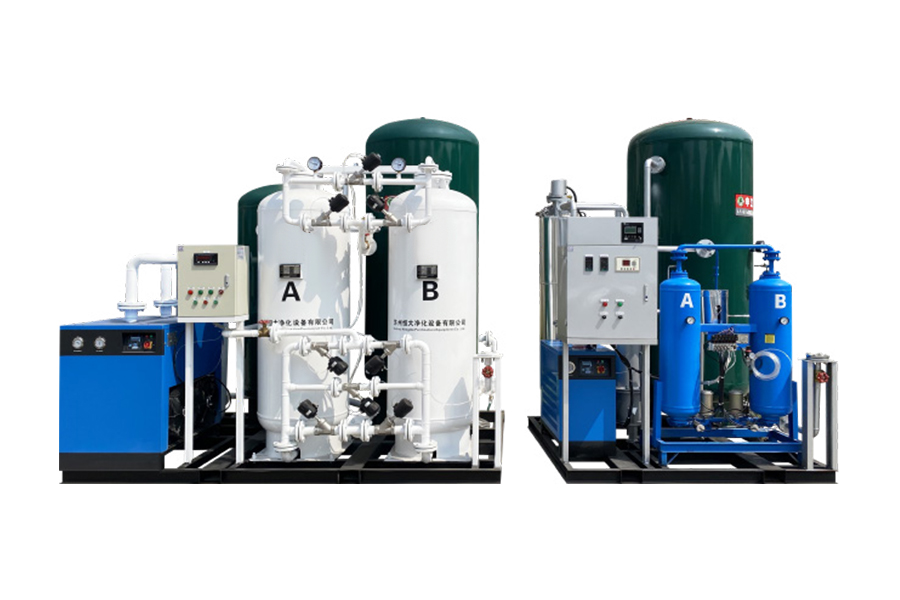
A reflow oven running low on nitrogen will still solder boards — it just won't solder them well. Oxidized joints, dull finishes, and failed inspections often trace back to one thing: an inconsistent gas supply. This is the exact gap an industry PSA nitrogen generator is built to close, producing nitrogen on demand instead of leaving output tied to a delivery schedule.
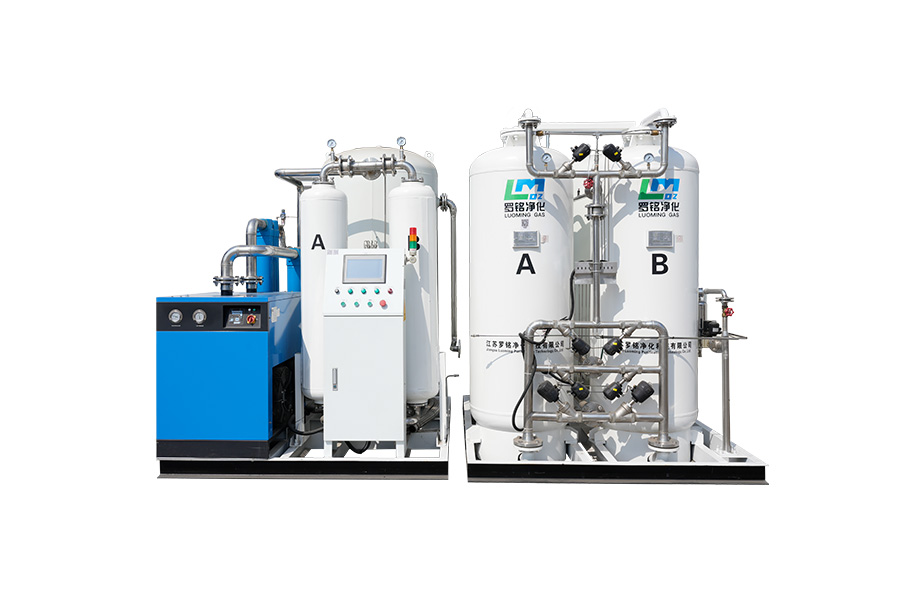
The mechanism is simple in concept. Compressed air is pushed through a bed of carbon molecular sieve tuned for selective oxygen adsorption. The sieve's pore structure lets nitrogen molecules pass while trapping oxygen, moisture, and trace gases. Two towers alternate between adsorption and regeneration, so one is always producing while the other resets — the cycle repeats continuously at ambient temperature, with no combustion, cryogenics, or chemical additives involved.
Matching Nitrogen Purity to Your Application
Not every process needs the same nitrogen. Buying more purity than the job requires wastes compressed air and drives up running costs; buying too little risks scrap and rework. Typical purity bands look like this:
Typical nitrogen purity ranges by industry application
| Industry |
Typical Purity Range |
| Electronics & semiconductor |
99.9% – 99.999% |
| Pharmaceutical manufacturing |
97% – 99.999% |
| Food & beverage packaging |
98% – 99.9% |
| Chemical processing / tank blanketing |
95% – 99.5% |
| Oil & gas / pipeline purging |
95% – 99% |
Sensitive electronics and pharmaceutical inerting processes that guard against oxidation and moisture sit at the top of that range, which is why high-purity PSA nitrogen generators built for ultra-low oxygen output exist as a distinct product tier rather than a setting on a standard unit. Facilities running wave soldering and reflow lines that need oxidation-free atmospheres generally can't compromise on this figure.
Why Facilities Are Switching from Liquid Nitrogen
Delivered liquid nitrogen carries hidden costs that don't show up on the invoice: standby dewar rental, boil-off losses, and the operational risk of running out mid-shift. On-site generation removes that dependency entirely.
Modern systems close much of the remaining gap with automation. A PLC-controlled nitrogen generator with one-touch automatic start-up can reach production purity within minutes of power-on, and built-in fault diagnostics catch drift in purity or pressure before it turns into scrapped product. Over a multi-year service life, the reduction in operating cost compared to recurring tank or dewar deliveries is usually the deciding factor for procurement teams.
Safety Considerations When Installing On-Site Nitrogen
Nitrogen is inert, but it isn't harmless. It displaces oxygen, and because it's colorless and odorless, an enriched atmosphere gives no warning signs a person can sense. Any enclosed or poorly ventilated space near a nitrogen system should be treated as a potential oxygen-deficient zone until tested.
Good practice is straightforward: install generators in well-ventilated areas, monitor oxygen levels in confined spaces before entry, and train staff to recognize that "no smell" does not mean "safe." These steps cost little and prevent the kind of incident that no purity spec can undo.
What to Check Before Choosing a Supplier
Specs on a datasheet only tell part of the story. Before signing off on a system, it's worth confirming a few practical points:
- Can purity be adjusted precisely across the full range you'll need, not just at one fixed point?
- Does the control system flag pressure or purity drift automatically, or does it rely on manual checks?
- What's the real start-up time from cold, not just the marketing figure?
- Does the manufacturer hold recognized quality or medical-device certifications relevant to your sector?
- Is local technical support available for maintenance, or does every issue require a long-distance callout?
A generator that scores well on all five tends to earn back its purchase price faster than the spreadsheet suggests, mainly because it avoids the downtime and scrap costs that come with an underspecified system.





 English
 русский
 Français
 Español
 عربى
عربى