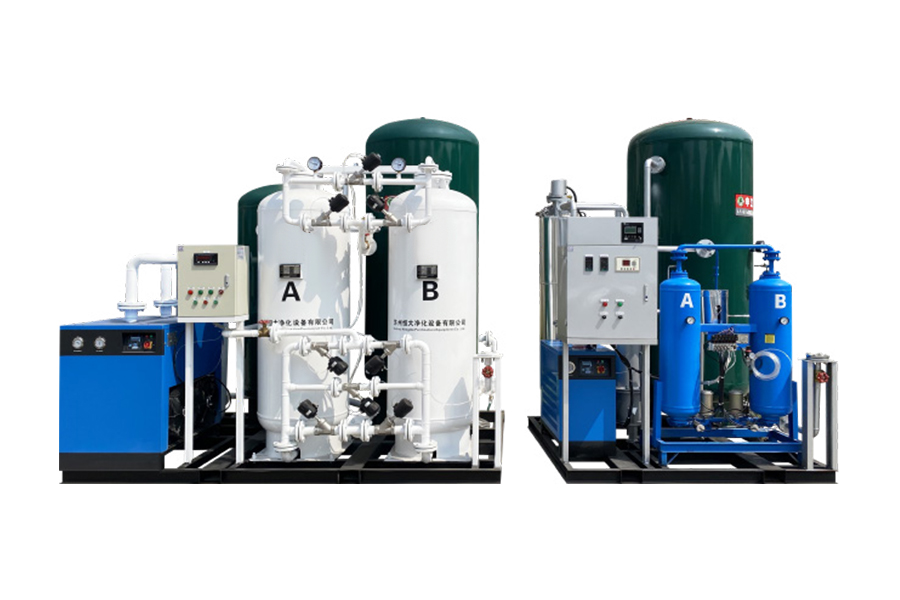
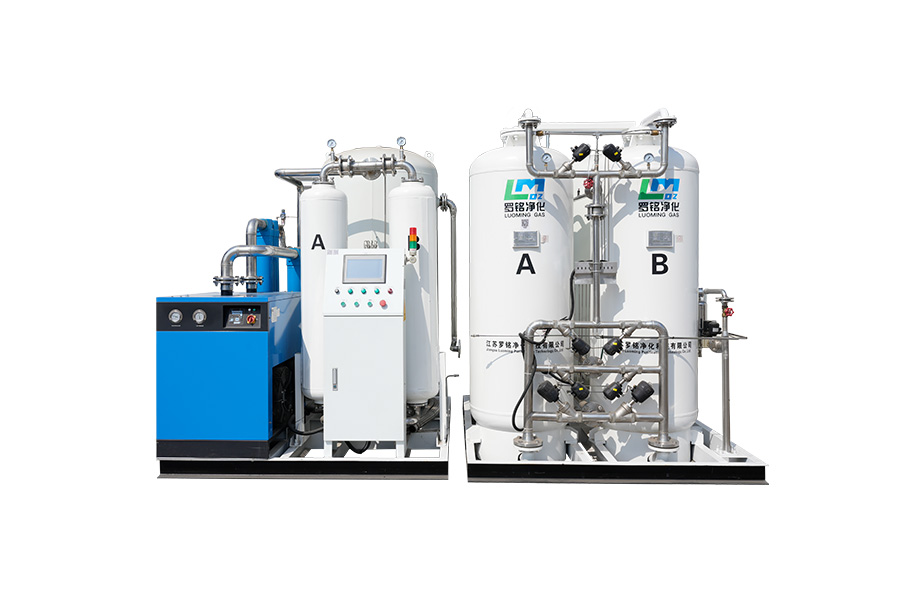
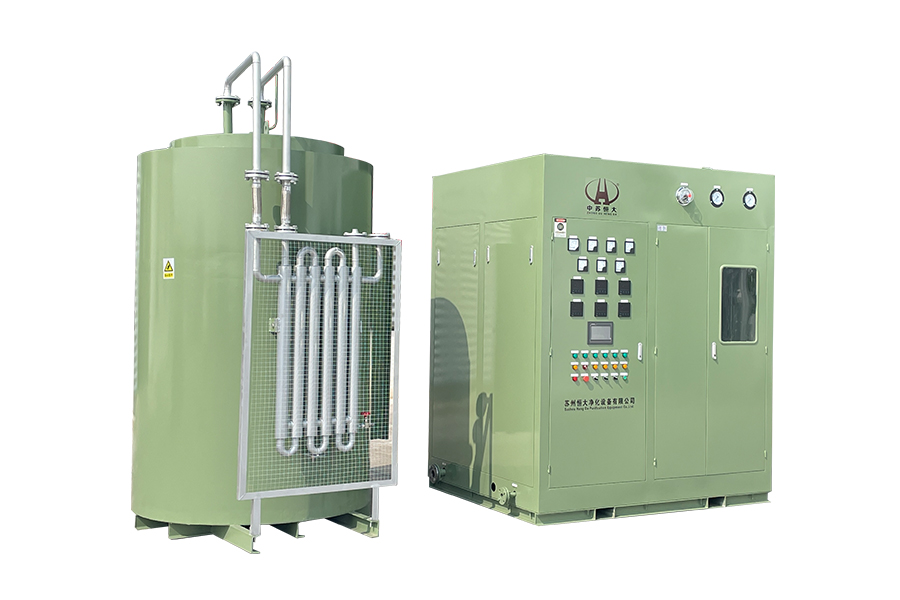
A nitrogen generator is a system that extracts nitrogen gas from the surrounding air, delivering a continuous, on-site supply without the need for delivered gas cylinders or liquid nitrogen tanks. For industrial and laboratory operations that depend on a reliable nitrogen supply, generating nitrogen on-site is typically 40 to 70 percent cheaper over the long term compared to traditional cylinder or bulk delivery methods. Whether you are running a food packaging line, a laser cutting machine, or a pharmaceutical lab, a nitrogen generator eliminates supply chain dependency and gives you control over purity, pressure, and volume.
How Nitrogen Generators Work
The air around us is approximately 78 percent nitrogen, 21 percent oxygen, and the remainder is argon, carbon dioxide, and trace gases. Nitrogen generators exploit this composition to selectively separate nitrogen from the other components. There are two primary separation technologies used in commercial and industrial generators.
Pressure Swing Adsorption (PSA)
PSA systems use a bed of carbon molecular sieve (CMS) material. When compressed air passes through the CMS under pressure, oxygen and other molecules are adsorbed into the sieve material while nitrogen passes through. Two towers alternate between adsorption and regeneration cycles, producing a continuous nitrogen stream. PSA generators can achieve purity levels from 95 percent up to 99.9995 percent, making them suitable for the most demanding applications.
Membrane Separation
Membrane nitrogen generators push compressed air through thousands of hollow polymer fibers. Oxygen, water vapor, and carbon dioxide permeate through the fiber walls faster than nitrogen, which exits the other end in concentrated form. Membrane systems are compact and have no moving parts in the separation stage, making them highly reliable. However, they are generally limited to purity levels of around 95 to 99.5 percent, which is adequate for many industrial uses such as tire inflation, blanketing, and purging.
PSA vs Membrane: A Direct Comparison
Choosing between PSA and membrane technology depends on your required purity, flow volume, and operating environment. The table below summarizes the key differences.
| Feature |
PSA Generator |
Membrane Generator |
| Maximum Purity |
Up to 99.9995% |
Up to 99.5% |
| Moving Parts |
Yes (valves, switching) |
No (in separation stage) |
| Footprint |
Larger |
Compact |
| Best For |
High-purity and high-volume applications |
General industrial and remote installations |
| Maintenance |
Periodic valve and sieve replacement |
Membrane replacement every 5 to 10 years |
| Startup Time |
Several minutes |
Near-instant |
Comparison of PSA and membrane nitrogen generation technologies across key operational factors
Common Applications of Nitrogen Generators
Nitrogen generators serve a wide range of industries. The required purity level varies significantly by application, which directly influences which generator type is appropriate.
Food and Beverage Packaging
Modified atmosphere packaging (MAP) uses nitrogen to displace oxygen inside food packaging, preventing oxidation and spoilage. A purity of 99 to 99.5 percent is typically sufficient. Membrane or lower-grade PSA systems are widely used in this sector. Snack food manufacturers, coffee roasters, and wine producers all rely on nitrogen flushing to extend shelf life without preservatives.
Laser Cutting and Metal Fabrication
Nitrogen is used as an assist gas in laser cutting of stainless steel and aluminum. It prevents oxidation at the cut edge, producing clean, oxide-free cuts that require no post-processing. This application typically requires 99.9 to 99.999 percent purity and high flow rates, making PSA the preferred technology. On-site generation can reduce assist gas costs by more than 60 percent compared to cylinder supply in a high-volume cutting operation.
Electronics Manufacturing
Wave soldering, reflow soldering, and component storage all benefit from a nitrogen-rich environment. Nitrogen prevents oxidation on solder joints and circuit board surfaces, improving weld quality and reducing defect rates. Electronics fabs often require 99.999 percent or higher purity, and PSA systems with additional oxygen analyzers are standard in this environment.
Pharmaceutical and Laboratory Use
Laboratories use nitrogen for sample preservation, evaporation assistance, and as a carrier gas in analytical instruments such as gas chromatographs. Pharmaceutical manufacturing uses nitrogen blanketing to protect oxygen-sensitive compounds during processing and storage. Purity requirements range from 99.5 to 99.9999 percent depending on the specific process, and PSA systems certified for laboratory environments are commonly deployed.
Tire Inflation
Nitrogen-inflated tires maintain pressure more consistently than air-filled tires because nitrogen molecules are larger and permeate through rubber more slowly. This is widely used in aviation, motorsport, and commercial trucking. For this application, a purity of 93 to 95 percent is standard, making membrane generators a cost-effective and practical choice.
Key Factors to Consider When Selecting a Nitrogen Generator
Getting the specification right before purchasing prevents costly undersizing or wasteful oversizing. The following factors are essential to evaluate.
- Required purity: Define the minimum purity your application needs. Overshooting purity increases capital and operating costs significantly. A food packaging line does not need 99.999 percent nitrogen.
- Flow rate: Calculate your peak and average nitrogen consumption in liters per minute or cubic meters per hour. Size the generator to meet peak demand comfortably, typically with a 10 to 20 percent buffer.
- Inlet compressed air quality: Both PSA and membrane systems require clean, dry compressed air. Moisture, oil vapor, and particulates degrade sieve material and membrane fibers. Proper air treatment upstream is non-negotiable.
- Operating pressure: Confirm the outlet pressure required by your application and match this to the generator specifications.
- Continuous vs intermittent demand: If your nitrogen demand is intermittent, a storage buffer tank can allow a smaller generator to meet peak demand without running a larger system continuously.
- Environment: For remote or offshore locations, membrane systems with their simpler design and no valve cycling may be more practical. For cleanrooms or controlled environments, verify that the generator meets relevant standards.
Understanding Purity Levels and Their Real Cost Impact
Purity and nitrogen output are inversely related in both PSA and membrane systems. The higher the purity demanded, the less nitrogen is recovered from each unit of compressed air consumed. This is measured as nitrogen recovery rate, typically expressed as a percentage of inlet air flow.
For example, a PSA generator producing nitrogen at 99 percent purity might recover around 25 to 30 percent of the inlet air as product nitrogen. At 99.9 percent purity, that recovery rate may fall to 15 to 20 percent. At 99.999 percent, recovery can drop below 10 percent. This means that a high-purity system requires a much larger compressor and more energy to produce the same volume of nitrogen.
Specifying purity accurately and conservatively is one of the most impactful decisions in system design. If your process requires 99.5 percent, do not specify 99.999 percent simply as a safety margin. The energy and capital cost difference can be substantial over the lifetime of the equipment.
On-Site Generation vs Delivered Nitrogen: The Financial Case
The economics of nitrogen generation favor on-site production for most medium to high consumption users. The payback period for a nitrogen generator typically falls between 12 and 36 months, after which operating costs consist mainly of electricity and periodic maintenance rather than ongoing gas purchases.
Consider a manufacturing facility consuming 500 cubic meters of nitrogen per day at 99.5 percent purity. At typical delivered gas prices, annual supply costs could reach 30,000 to 60,000 depending on location and contract terms. An appropriately sized PSA generator for this volume might cost 15,000 to 25,000 installed, with annual electricity and maintenance costs of 3,000 to 6,000. Over five years, the savings are substantial and the generator continues operating for many years beyond payback.
Low-volume users consuming less than 10 cubic meters per day may find that delivered gas remains cost-competitive given the capital investment required. Running a detailed consumption and cost analysis before committing to either approach is always advisable.
Installation and Maintenance Essentials
A nitrogen generator is a long-term piece of infrastructure. Following correct installation and maintenance practices protects both performance and equipment lifespan.
Installation Requirements
- Install adequate compressed air filtration upstream, including oil coalescing, particulate, and activated carbon filters.
- Use a refrigerated or desiccant dryer to bring compressed air dew point below the minimum specified by the generator manufacturer.
- Install a buffer storage vessel downstream to stabilize pressure and accommodate demand spikes.
- Fit an inline oxygen analyzer to continuously verify product purity and trigger an alarm or divert valve if purity falls below threshold.
- Ensure adequate ventilation in the installation area, as the exhaust stream from nitrogen generators is oxygen-enriched and must not accumulate in enclosed spaces.
Ongoing Maintenance
- Replace upstream filters at manufacturer-recommended intervals, typically every 6 to 12 months depending on compressed air quality.
- Inspect and service valve actuators in PSA systems annually.
- Monitor oxygen analyzer sensor calibration and replace sensors according to the manufacturer schedule.
- Track CMS bed performance over time; sieve material typically lasts 10 or more years with correct inlet air conditions but degrades rapidly with moisture or oil contamination.
- For membrane systems, check for fiber bundle integrity periodically and replace membranes if purity starts drifting below specification.
Conclusion
Nitrogen generators are a practical and financially sound solution for any operation with consistent nitrogen demand. PSA technology is the right choice when high purity above 99.5 percent is required, while membrane systems offer simplicity and reliability for general industrial applications up to 99.5 percent purity. The decision between on-site generation and delivered supply almost always favors generation for medium to high consumption users once consumption reaches a meaningful daily volume. Specifying the correct purity, sizing accurately for peak flow, and maintaining clean inlet air are the three most important factors in getting long-term value from a nitrogen generator installation.





 English
 русский
 Français
 Español
 عربى
عربى