Why High Altitude Demands a Specialized Oxygen Concentrator
At sea level, atmospheric pressure sits at roughly 101.3 kPa, and every breath delivers a comfortable density of oxygen molecules into the lungs. As elevation rises, that pressure drops sharply. At 3,000 meters (9,843 ft), atmospheric pressure falls to around 70 kPa; at 5,000 meters (16,404 ft), it drops below 54 kPa. The percentage of oxygen in the air remains constant at approximately 21% at all altitudes, but the absolute number of oxygen molecules available per breath decreases significantly — making every inhale feel like breathing through a thinner straw.
This phenomenon, known as hypobaric hypoxia, triggers a cascade of physiological responses: accelerated heart rate, increased respiratory rate, headaches, fatigue, and in severe cases, acute mountain sickness (AMS). For individuals with pre-existing respiratory conditions such as COPD, heart failure, or post-surgical recovery needs, the risk is compounded. Even healthy climbers, miners, or workers stationed on high plateaus can experience dangerous drops in blood oxygen saturation (SpO₂) below the safe threshold of 95%.
A standard oxygen concentrator designed for sea-level use may struggle to maintain adequate output at altitude because the device relies on ambient air pressure to push air through its filtration system. Choosing a concentrator that is rated and tested for high-altitude operation — typically up to 4,000–5,000 meters or more — is therefore not optional; it is a clinical and operational necessity.
How PSA Technology Works at Altitude
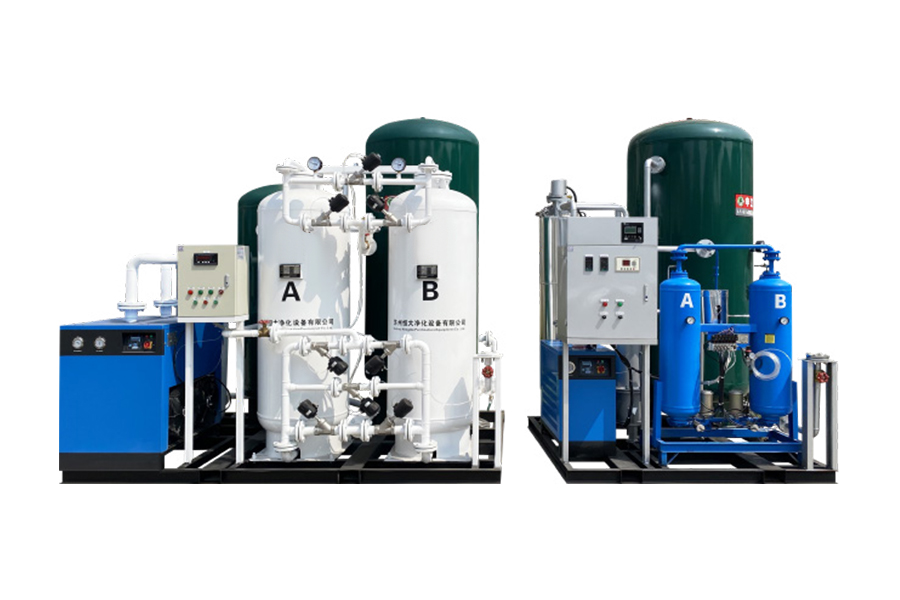
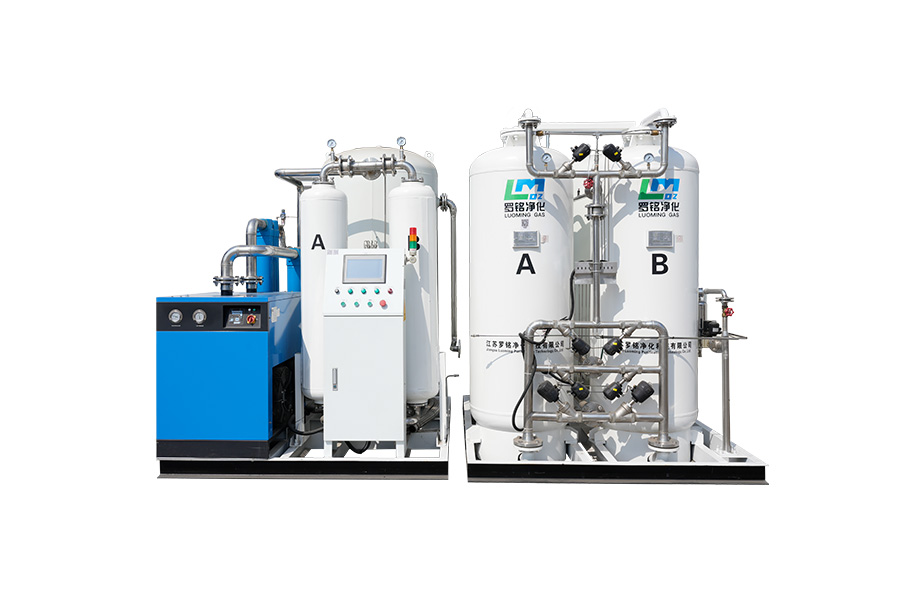
The most reliable technology for high-altitude oxygen generation is Pressure Swing Adsorption (PSA). PSA concentrators draw ambient air into a compression stage and then pass it through columns packed with zeolite molecular sieves. These sieves have a strong affinity for nitrogen molecules: under elevated pressure, nitrogen is adsorbed onto the sieve surface while oxygen — along with argon and trace gases — passes through as the product stream. The columns cycle between pressurization and depressurization in a precisely timed sequence, regenerating the sieve material with each cycle so the process continues indefinitely without consumable replacements.
At high altitude, the thinner air means the compressor must work harder to achieve the internal pressure differential needed for effective nitrogen adsorption. This is why a high-quality PSA system for plateau use must feature a high-performance compressor rated for low-pressure inlet conditions, reinforced molecular sieve beds, and advanced cycle-timing logic that automatically compensates for changes in ambient pressure. Systems without these adaptations may deliver oxygen concentrations that fall below the medically required minimum of 90% ± 3% at elevation.
PSA technology is also inherently continuous and self-sustaining, which makes it ideal for remote high-altitude deployments — from Tibetan Plateau hospitals to Andean mining camps — where cylinder resupply logistics are difficult and costly. Learn more about how these systems are deployed in real-world settings on our plateau oxygen supply solutions page.
Key Specifications to Evaluate
When comparing oxygen concentrators for high-altitude use, several technical parameters directly determine whether a device will perform safely and effectively in a low-pressure environment. The table below summarizes the most critical specifications and the benchmarks you should look for.
Key selection parameters for high-altitude oxygen concentrators
| Parameter |
Recommended Benchmark |
Why It Matters at Altitude |
| Oxygen Concentration Output |
≥ 90% (±3%) at rated altitude |
Below 82%, supplemental therapy loses clinical efficacy |
| Maximum Operational Altitude |
≥ 4,000 m (13,123 ft) for most plateau use; ≥ 5,000 m for extreme environments |
Devices rated only to 2,000 m will underperform significantly above that threshold |
| Flow Rate |
1–5 L/min (portable); 5–30+ L/min (stationary/central) |
Higher altitudes often require higher flow rates to compensate for reduced partial pressure |
| Battery Life (portable units) |
≥ 6 hours on a full charge |
Remote plateau areas frequently lack reliable grid power |
| Weight (portable units) |
≤ 3 kg preferred |
Carrying excess weight at altitude accelerates fatigue and oxygen demand |
| Intelligent Monitoring |
Real-time O₂ concentration display + fault alarm |
Allows operators to detect performance degradation before it becomes dangerous |
Oxygen concentration output is the single most important figure. A device that delivers 93% ± 3% oxygen purity at sea level but drops to 75% at 4,000 meters is not suitable for plateau medical use. Always request altitude-specific performance data from the manufacturer, not just sea-level specifications.
Continuous Flow vs. Pulse Dose: Which Is Right for You?
Oxygen concentrators deliver supplemental oxygen in one of two fundamental modes, each with distinct advantages and tradeoffs in high-altitude contexts.
Continuous flow delivers a steady, uninterrupted stream of oxygen at a set rate measured in liters per minute (L/min), regardless of whether the user is inhaling or exhaling. This mode is well-suited to patients with high, constant oxygen requirements — such as those recovering from surgery, managing severe COPD, or sleeping at altitude — because it guarantees a minimum oxygen concentration in the breathing space at all times. Continuous flow units tend to be heavier and consume more power, making battery life a key constraint for portable versions.
Pulse dose (also called demand flow) uses a sensor to detect the beginning of each inhalation and delivers a bolus of oxygen only at that moment, pausing during exhalation. Because roughly one-third of the breathing cycle is inhalation, pulse dose units can achieve the same therapeutic effect with significantly less oxygen production — translating into lighter weight, longer battery life, and smaller form factors. At altitude, however, the device's breath-detection sensor must be sensitive enough to register the shallower, more rapid breaths that hypoxia induces. Lower-quality pulse dose units may miss triggering events, leading to under-dosing.
For most high-altitude clinical and occupational applications, a dual-mode device that offers both continuous flow and pulse dose in a single unit provides the greatest flexibility. Users can rely on pulse mode during active movement to conserve battery and switch to continuous flow during rest or sleep.
Stationary vs. Portable: Matching the Device to Your Scenario
The choice between a stationary (central) and a portable oxygen concentrator is ultimately driven by your deployment scenario rather than personal preference.
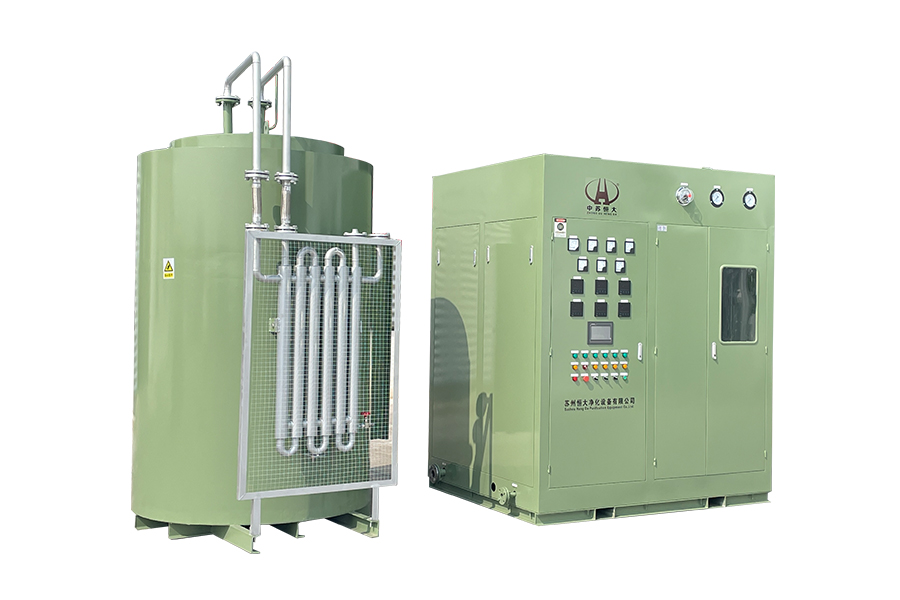
Stationary PSA oxygen generators are designed for fixed installations: plateau hospitals, remote health clinics, military bases, mining operations, or high-altitude research stations. These units typically produce between 5 and 30+ cubic meters of oxygen per hour, feed piped distribution networks to multiple outlets simultaneously, and operate continuously for years with routine maintenance. Their large molecular sieve beds are engineered for high-altitude inlet conditions, and intelligent remote monitoring systems — capable of tracking oxygen concentration, flow rate, and pressure in real time — allow facility managers to identify issues before they escalate. Our medical oxygen generator series covers this category, with models available in multiple capacity configurations to match facility demand.
Portable oxygen concentrators address individual mobility: mountaineers, trekkers, field medics, or patients who need supplemental oxygen during transport between facilities. A good portable unit for high altitude weighs under 3 kg, operates on lithium-ion batteries for at least 6–8 hours, and maintains ≥ 90% oxygen purity up to its rated ceiling altitude. Some units include wheels and carrying handles for easier transport over terrain where backpacking is impractical.
In many plateau healthcare settings, the two categories work together: a stationary central generator supplies fixed ward outlets, while portable units support patient transport and outreach activities.
Safety Features and Maintenance in High-Altitude Environments
Operating an oxygen concentrator in a high-altitude environment places additional stress on every internal component. Temperature swings are more extreme, dust and particulate levels can be higher (especially in arid plateau regions), and maintenance support may be hours or days away. Prioritizing safety features and serviceability is therefore critical to long-term reliability.
Essential safety features to look for include:
- Oxygen concentration alarm — triggers an audible and visual alert if output drops below the safe threshold, typically set at 82%
- Overheat protection — automatically shuts down or reduces load if internal temperatures exceed safe limits, which is especially important in enclosed, poorly ventilated plateau structures
- Power failure alarm — notifies operators immediately during grid outages so backup power can be engaged
- Cumulative runtime meter — records total operating hours to schedule molecular sieve replacement before performance degrades
- Particulate pre-filtration — high-efficiency intake filters protect the compressor and sieve beds from dust and microorganisms common in plateau environments
For maintenance planning, molecular sieve beds in a well-designed PSA system typically last 8,000–15,000 operating hours before requiring replacement, depending on altitude, ambient humidity, and inlet air quality. Units with modular sieve cartridges allow field replacement without specialized tools — a significant advantage in remote deployments. Refer to our medical industry applications page for detailed guidance on system sizing and service planning for clinical environments.
Conclusion
Choosing the right oxygen concentrator for high-altitude use is not simply a matter of selecting the highest-capacity model available. It requires a careful match between the altitude rating of the device, the required flow rate and oxygen purity for your specific application, the power and portability constraints of your deployment environment, and the safety and monitoring features necessary for unattended or remote operation.
The key decision framework is straightforward: confirm the manufacturer's altitude-specific performance data, verify that oxygen output holds at ≥ 90% at your target elevation, choose between stationary and portable based on your scenario, and prioritize devices with intelligent monitoring and robust safety alarms. For facilities serving multiple users — clinics, hospitals, or basecamp operations — a PSA-based central oxygen generation system typically delivers the best combination of reliability, cost-efficiency, and scalability.
If you need help selecting or sizing an oxygen concentrator for your specific high-altitude application, our engineering team is ready to assist with detailed consultation and custom configuration advice.





 English
 русский
 Français
 Español
 عربى
عربى